In Memory of Katsu Kanai
Mia Parnall
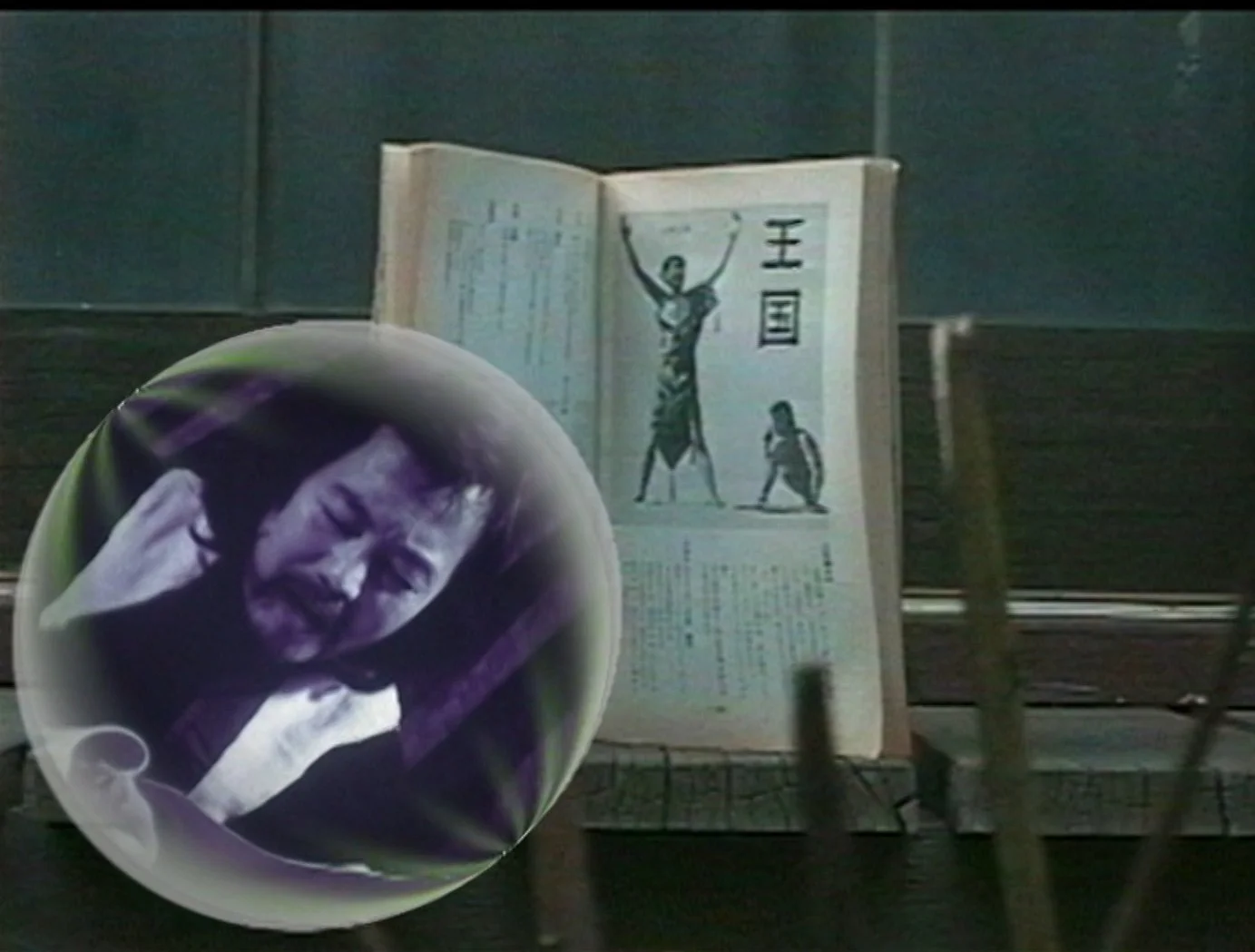
A radical cinema pioneer, Kanai Katsu (1936–2026) was one of the most vital and inventive filmmakers in the history of Japanese underground film. After studying film at the College of Art, Nihon University, Kanai worked briefly in the film industry, joining a major film studio before becoming a freelance commercial cinematographer. In 1968, he formed his own production company, Kanai Katsumaru Production, and began the “Smiling Galaxy Trilogy,” which would include his three undisputed masterpieces: The Deserted Archipelago (1969), Good-bye (1971), and The Kingdom (1973). Featuring members of the underground theater and the avant-garde performance group, The Deserted Archipelago depicts Kanai’s surrealistic vision of postwar Japan. Shot on 35mm, the film mixes grotesque and eerily sexualized imagery with searing anti-establishment commentary amid the charged political atmosphere of 1968, and Kanai’s radical experiment had an incredible impact on stunned audiences. For his following work, Good-bye, he filmed in Korea under martial law, confronting the problem of Japanese colonialism and challenging the idea of Japanese ancestry—including his own. Portraying strange people who challenge the god Chronos, The Kingdom raised an important new theme for Kanai: the problem of time. The scale of this film far exceeded the standard low-budget framework of underground and independent films: Kanai traveled to the Galapagos Islands for its locations and brought highly sophisticated cinematography skills to its chaotic stream of imagery.
While working at Kanagawa News Film for many years, Kanai created a series of “visual poems”—Dream Running (1987), Grasshopper’s One-Game Match (1988), and We Can Hear Joe’s Poem (1989)—and in 1991 combined them into one work: The Stormy Times. This and the films that followed—Holy Theater and Super Documentary: The Avant-garde Senjutsu—reflect on his own filmmaking and personal history and pay poignant tribute to collaborators such as Motoharu Jonouchi, Atsushi Yamatoya, and Jushin Sato, who had by then passed away. Dedicated to constant and intensive imaginative reinvention, Kanai continued to conjure entirely new, surprising visions with little resemblance to his previous works.