Haruka Doi: My father, burned (1994)
Haruka Doi, My father, burned, 1994, 17 min, 8mm, sound, color
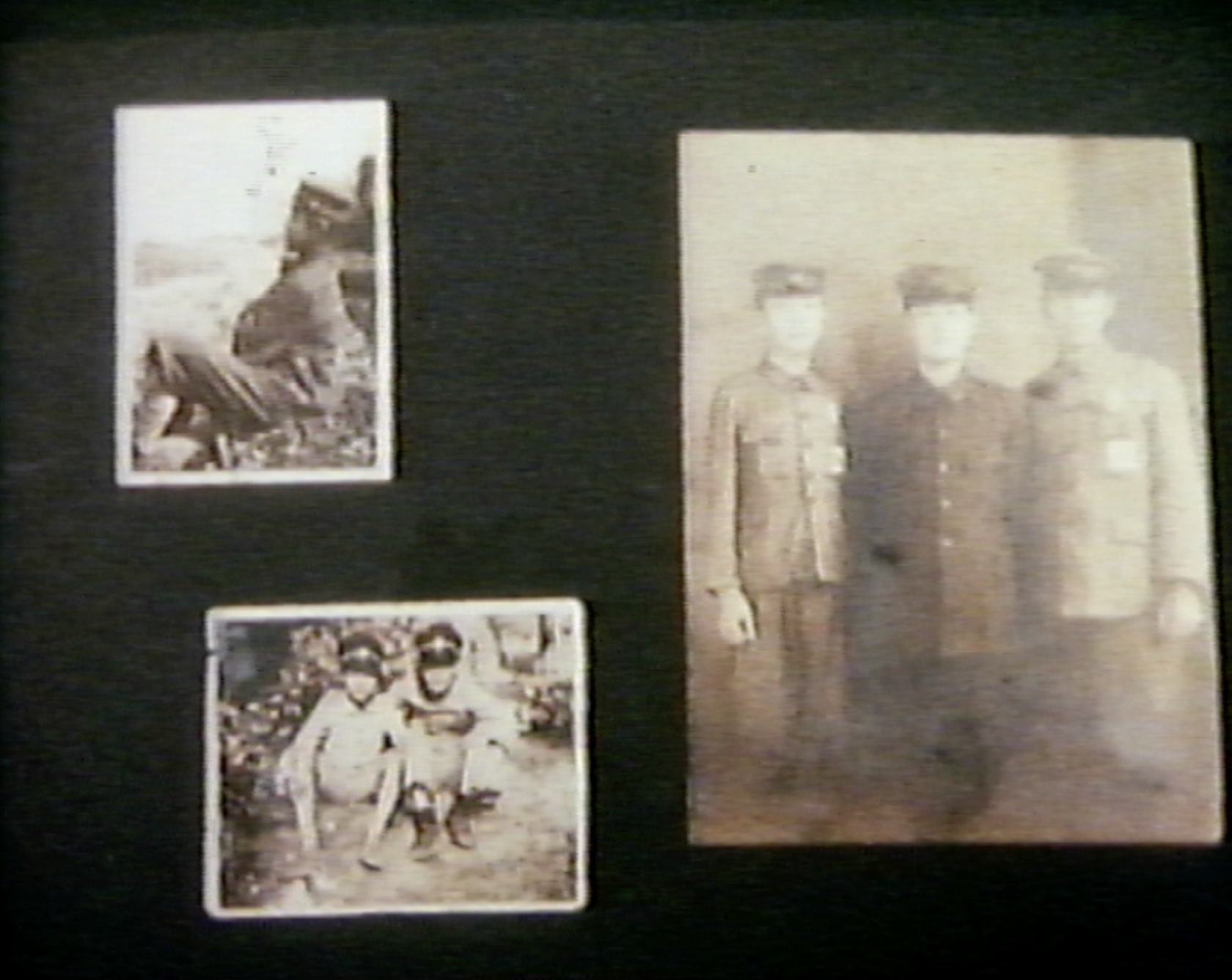
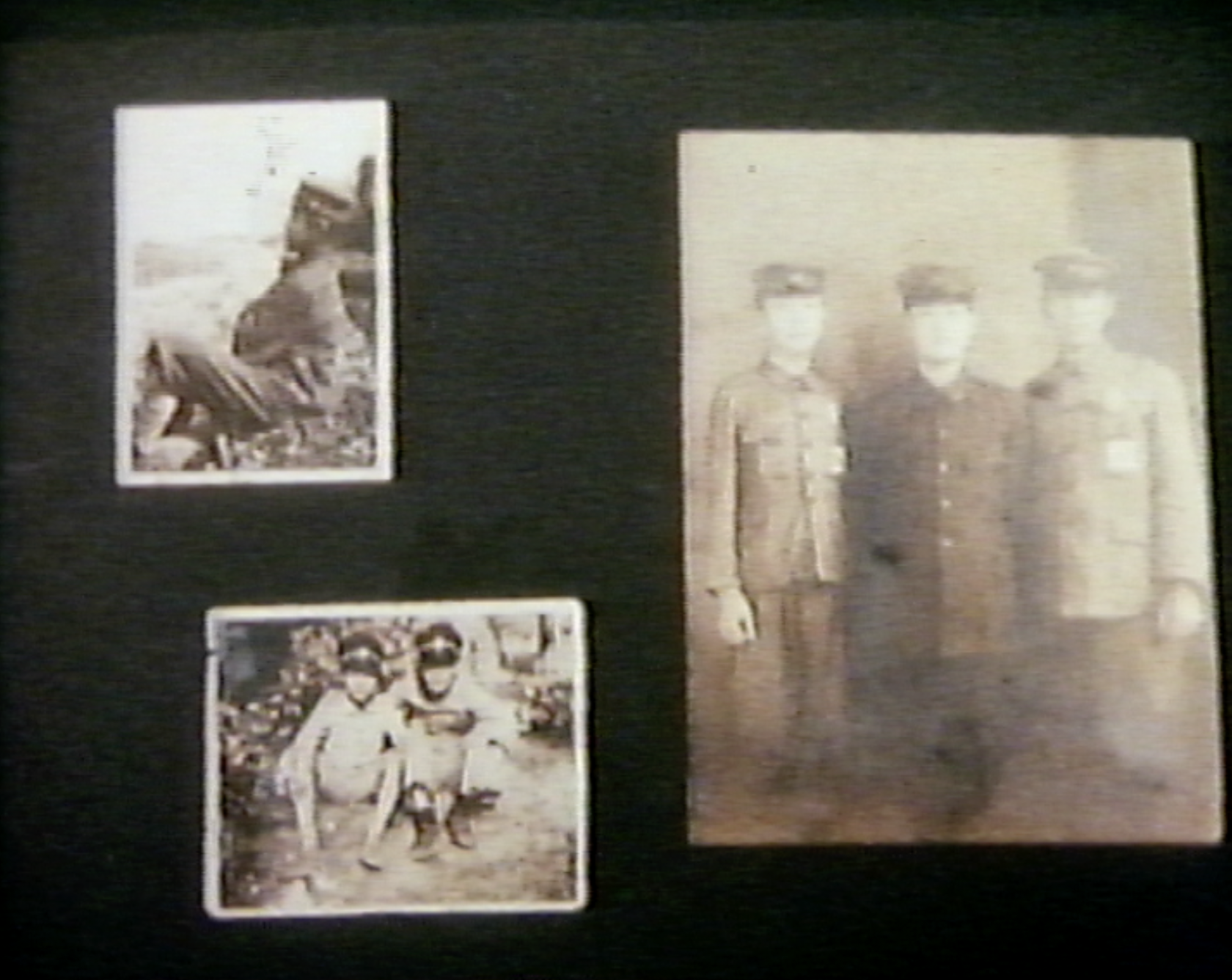
This December we are delighted to present a rare work of personal film by filmmaker and musician Haruka Doi, previously featured on CCJ in 2023. Translated and subtitled for the first time in English, My father, burned (父が、燃えた) is the final film work made by Doi, after which she felt she had “said everything she needed to say as an independent filmmaker.” The film was born from discovering a Super 8 film shot by her deceased father during her childhood, and unfurls through a personal archive of images and reminiscences that patch together the life of this complex and reserved individual. In its quest to deconstruct the mundane, private appeal of family memories, Doi calls the film an “anti-home movie,” yet in keeping with the diaristic quality of her previous works, My father, burned paints its portrait of memory akin to a window onto a chamber or interior space, through which ambiguous emotions resonate and resound.
As the film explores, Doi had a complicated relationship with her father. A distanced fascination replaces the nostalgic or sentimental aspects one might expect in a film of this kind. Yet the sense of the power of the found image to shock and disarm remains — the familiar face that stares out from the rediscovered album; the laughter of a past self, seen through the eyes of one deceased. Through this cinematic reflection, Doi questions the image she had of her father prior to this posthumous mediation, even seeing similarities between his violent tendencies and her own rebellious nature.
Yet after presenting it with such care, the film ends with a conflagration of this archive. “In this work,” Doi writes, “I wanted to burn my father… Perhaps I wanted to hold my own funeral for him, who was gone so suddenly. I considered actually burning his belongings, but decided that wasn't the right option. I thought multiple exposures would be far more beautiful from a visual perspective... For the flame footage, I used film I'd shot at a bonfire event. With 8mm, multiple exposures rely on chance, as you don't know what will happen until you develop it… As the flames grew larger and smaller in the rushes, and my father's tennis runs and stops overlapped at just the right moment, my father, whom I hated, even seemed a little bit cool.”
After My father, burned was screened in 1994, Doi turned to focus on making music under the moniker HALUKA. In her songs, her family relationships remain a major source of inspiration.
THE PROGRAM WILL BE AVAILABLE FOR VIEWING ON CCJ’S VIEWING PLATFORM.
Become a member for just $5 a month to access our monthly programs, and share your thoughts on our screenings with us via Twitter, Instagram or Letterboxd.
Program
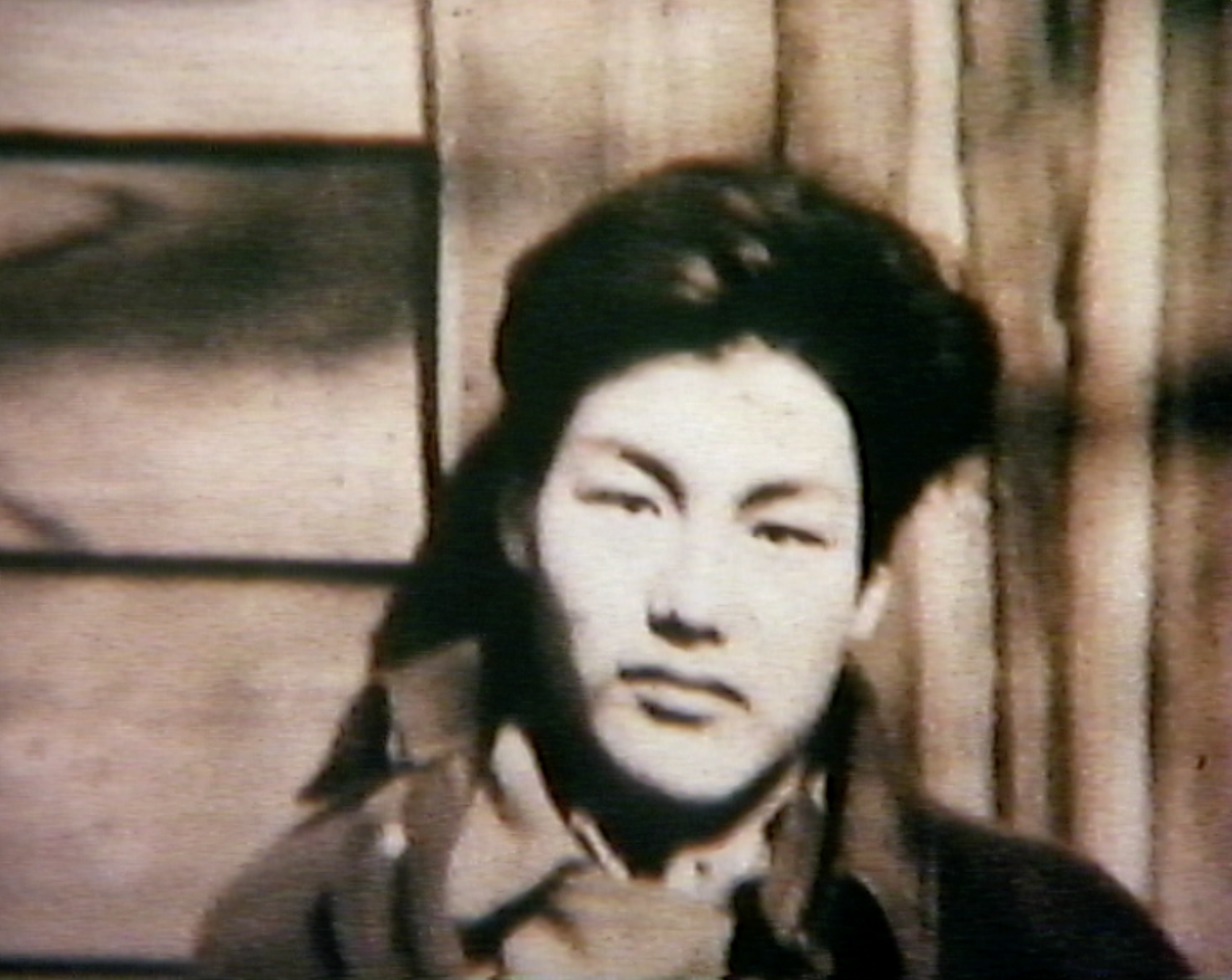
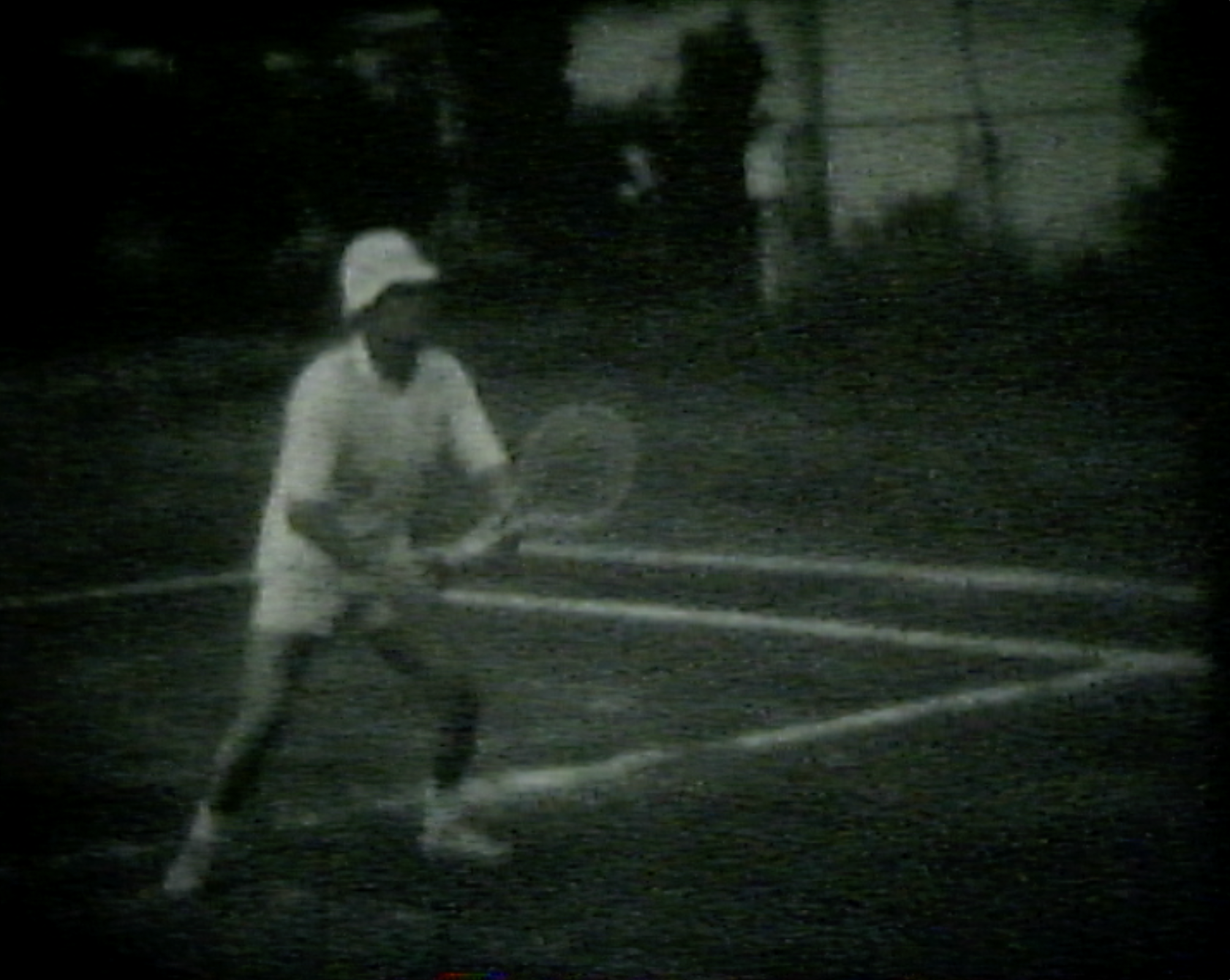
Haruka Doi, My father, burned, 1994, 17 min, 8mm, sound, color
Translated & subtitled by Mia Parnall
Haruka Doi
Haruka Doi was born in 1962 in Kanagawa Prefecture. She graduated from the Faculty of Fine Arts at Tokyo University of the Arts. Her filmmaking activities began when in a contemporary art class, she recorded a film of white cloth fluttering in the wind with 8mm film to fulfil a brief of "making a work with white cloth." Doi belonged to the university’s filmmaking society, where she made both solo and collaborative work and held screenings on campus.
While studying at Tokyo University of the Arts, Doi also attended the ninth term of Image Forum's Imaging Research Institute. He Was Here, and You Are Here (中のあなた、今のあなた), a work created as an assignment there, won a prize at the Pia Film Festival in 1986 and in the same year won the top prize in the Turin International Young Film Festival 8mm Overseas Division. Doi participated in regular screenings of "STUDIO SWI'TZ", a video group consisting of graduates of the Image Forum affiliated video research institute, and continued to create works at a pace of around one per year.
In 1989, she appeared as an actress in Akira Hoshino's feature film Senaka de Shinako. At the same time, she began making music: writing lyrics, composing songs and playing the guitar under the alias HALUKA (later HALUKA unit). Film screenings and live concerts were held at Gallery Cherubim in Ginza, Voyant Cinemathèque in Kyoto, Seibu Studio 200 in Ikebukuro, and Ikebukuro Bungeiza.
In 1994, Doi released her final film, Father, burned ( 父が、燃えた) at her solo video exhibition at Kunitachi Kino Kyuhe, which included a live performance as HALUKA. Since then, she has not produced any film or video works, and has devoted herself to her music activities.