Katsu Kanai: The Stormy Times
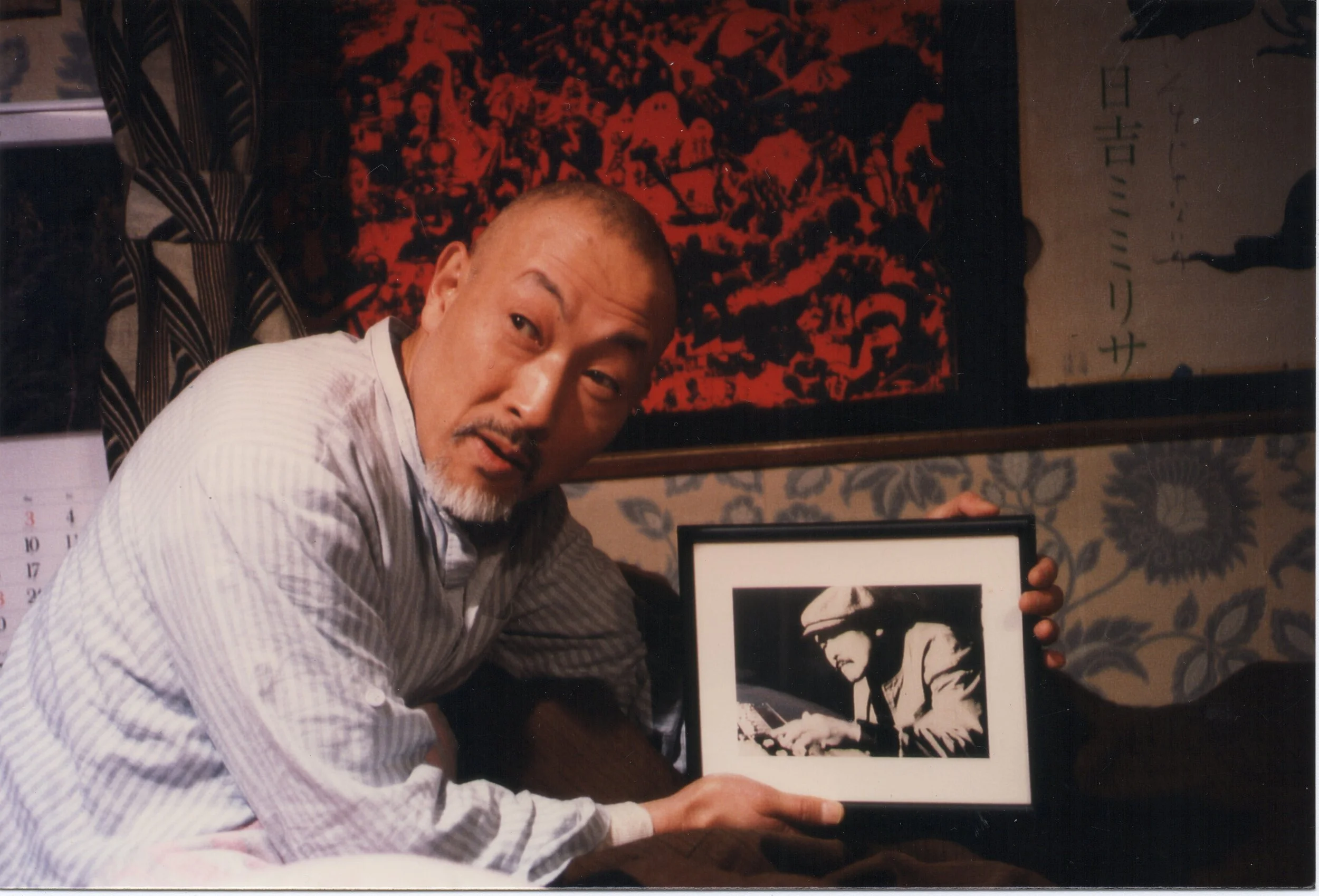
Katsu Kanai, The Stormy TImes, 1991, 62 min, 16mm, color, sound
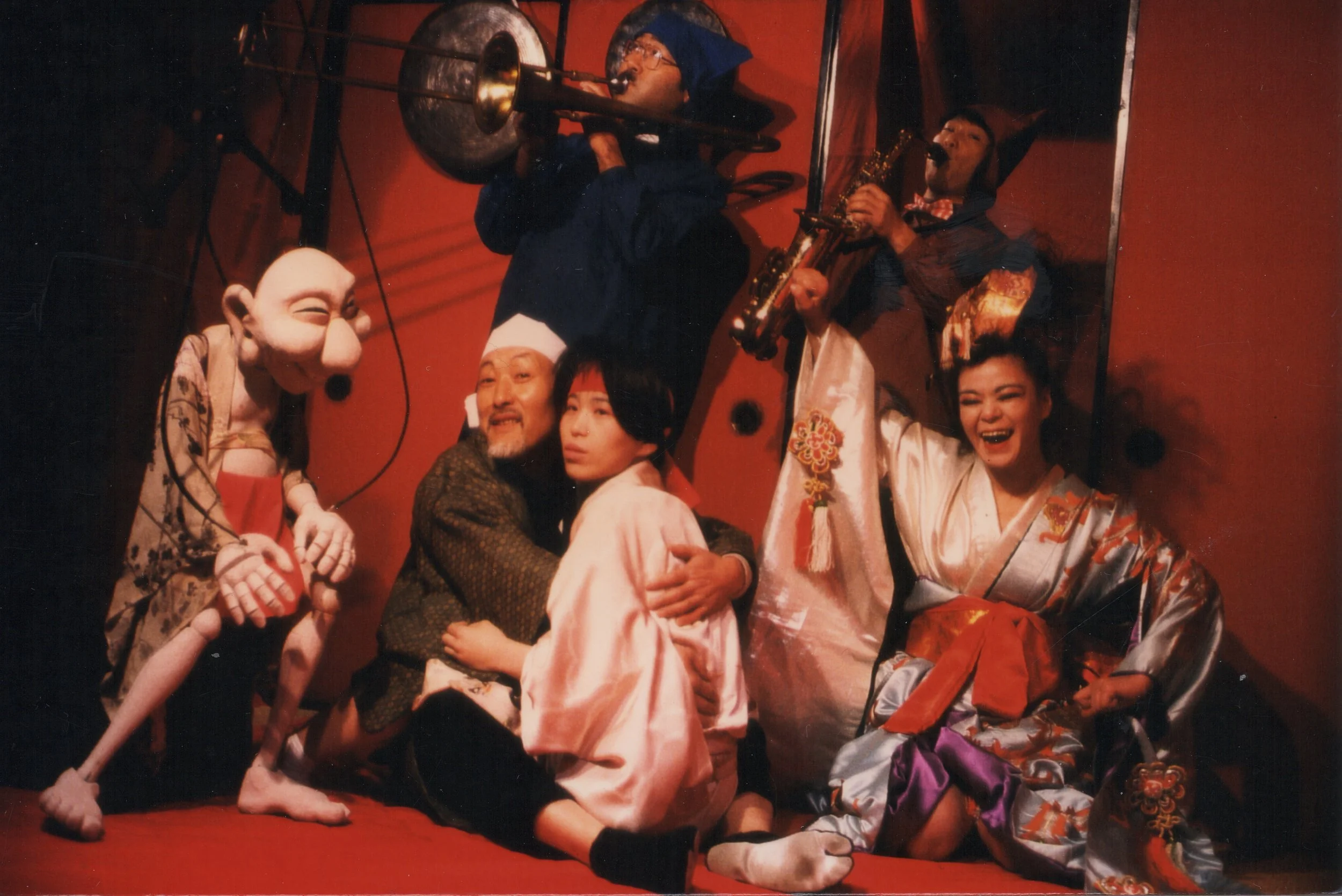
Over this August and September, we are delighted to present the third part in our series focused on the late Katsu Kanai. This month’s work is The Stormy Times (1991), a “collection of visual poems” modeled on the forms of traditional Japanese poetry.
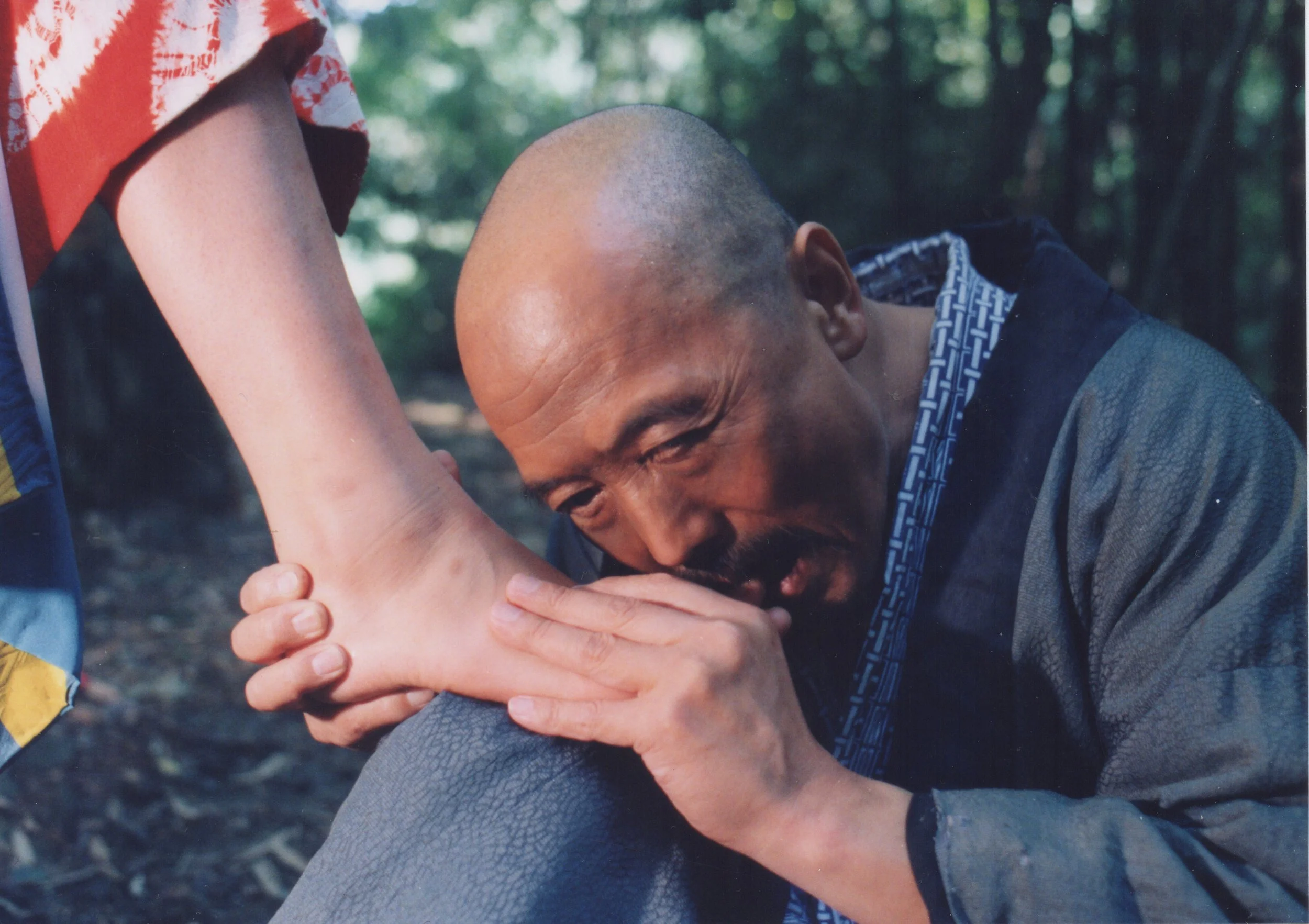
The Stormy Times (1991) is a “collection of visual poems” modeled on the forms of traditional Japanese poetry: tanka, haiku, and shi (poetry). At the same time, it is a memorial work dedicated by Katsu Kanai to his close friend and fellow filmmaker, the pioneering experimental filmmaker Motoharu Jonouchi (1935–1986). Its three short films—the tanka section, Dream Running (1987); the haiku section, Grasshopper’s One-Game Match (1988); and the poetry section, We Can Hear Joe’s Poem (1989)—were all shot on 16mm film and completed as independent works, each with its own subject matter and distinctive style. Yet when they are screened together as a single feature-length film, with two interludes, the works resonate with one another, giving rise to a new poetic sensibility suffused with a profound sense of remembrance. This may be called a form of alchemy unique to Katsu Kanai.
The first short, Dream Running, was shot on a Bolex 16mm camera and features Motoharu Jonouchi, who had played the role of an editor in The Kingdom. This unusual fantasy tale, which fuses the conventions of period drama with experimental techniques of filmmaking, was created through thoroughly analog methods and a DIY spirit, as if in defiance of the coming digital age. For example, to film a shot in which film is developed among the ingredients of oden, Kanai constructed a large dish with perforations through which the film could pass. This singular short, born of Kanai’s passion for cinema and his rebellious spirit toward his era, received high acclaim both in Japan and abroad and went on to tour various screening venues.
It was during this period that Kanai learned that Motoharu Jonouchi had died after the filming of Dream Running. He then conceived a series of short films dedicated to Jonouchi’s memory and set the project in motion as a new undertaking.
The second work, Grasshopper’s One-Game Match, is an audacious one-take film, shot in a single eleven-minute take on a 400-foot roll of film. At the beginning, Kanai expresses his feelings for Motoharu Jonouchi, who died in a traffic accident in 1986, while personal memories and everyday life are performed by Kanai himself. Guided by the gaze of a camera that continues to roll without interruption even as time leaps and scenes shift, viewers gradually find themselves drawn from the everyday world into a wildly imaginative realm of fantasy. The meticulous direction, which makes full use of theatrical techniques and cinematic devices, together with the unforgiving “single shot structure” imposed by the temporal limitations of a 400-foot roll, creates a tension and dynamism unavailable in video filmmaking, giving rise to a new kind of narrative that crosses the boundary between fiction and documentary.
The third film, We Can Hear Joe’s Poem, is a deeply personal film, overflowing with Kanai’s sense of remembrance for Motoharu Jonouchi (Joe), and a fitting culmination of the trilogy. Jonouchi’s presence and memories, embedded throughout Kanai’s home, are evoked through narration, while footage from The Kingdom and Dream Running, in which Jonouchi appeared, is incorporated into the film. Its deeply personal mode of expression also seems like Kanai’s response to the “personal films” made by the individual filmmakers of the 1980s, many of whom had been his students. Yet when a girl delivering the mail on a unicycle arrives with a letter, the world suddenly plunges into Kanai’s uniquely surreal universe. The camera leaves the house and begins to wander through the garden, a privileged place for Kanai. Over these images, the voice of Joe reading his own poem, “Shinjuku Station,” gradually emerges. The camera’s back-and-forth movement eventually transcends the passage of time: the seasons change, and the landscape transforms. Here, we encounter the essence of Kanai’s cinematic magic—the power to transform reality into unreality. And in the final scene, Kanai responds to Joe’s voice by declaring his own new departure, in a moment of profound emotional force.
Born from a series of chance occurrences that ultimately gave rise to a new form, The Stormy Times embodies the freedom and depth of personal and independent filmmaking. At the same time, it reminds us of the universal power of cinema when it is intimately bound to the filmmaker’s memories and emotional life.
The Stormy Times was theatrically released as an independent film in 1991 and became a notable success. Transcending the confines of experimental cinema, it attracted considerable attention from a broad audience of art-house filmgoers. At the time, audiences seeking new forms of filmmaking embraced the film for its refusal to be bound by established conventions while still possessing the power to move them deeply. The film thus offered a new generation an opportunity to rediscover both Katsu Kanai as a filmmaker who had broken a long silence and the utterly unique body of work he had created.
Akihiro Suzuki
THE PROGRAM WILL BE AVAILABLE FOR VIEWING ON CCJ’S VIEWING PLATFORM.
Become a member for just $5 a month to access our monthly programs, and share your thoughts on our screenings with us via Twitter, Instagram or Letterboxd.