Katsu Kanai: Holy Theater
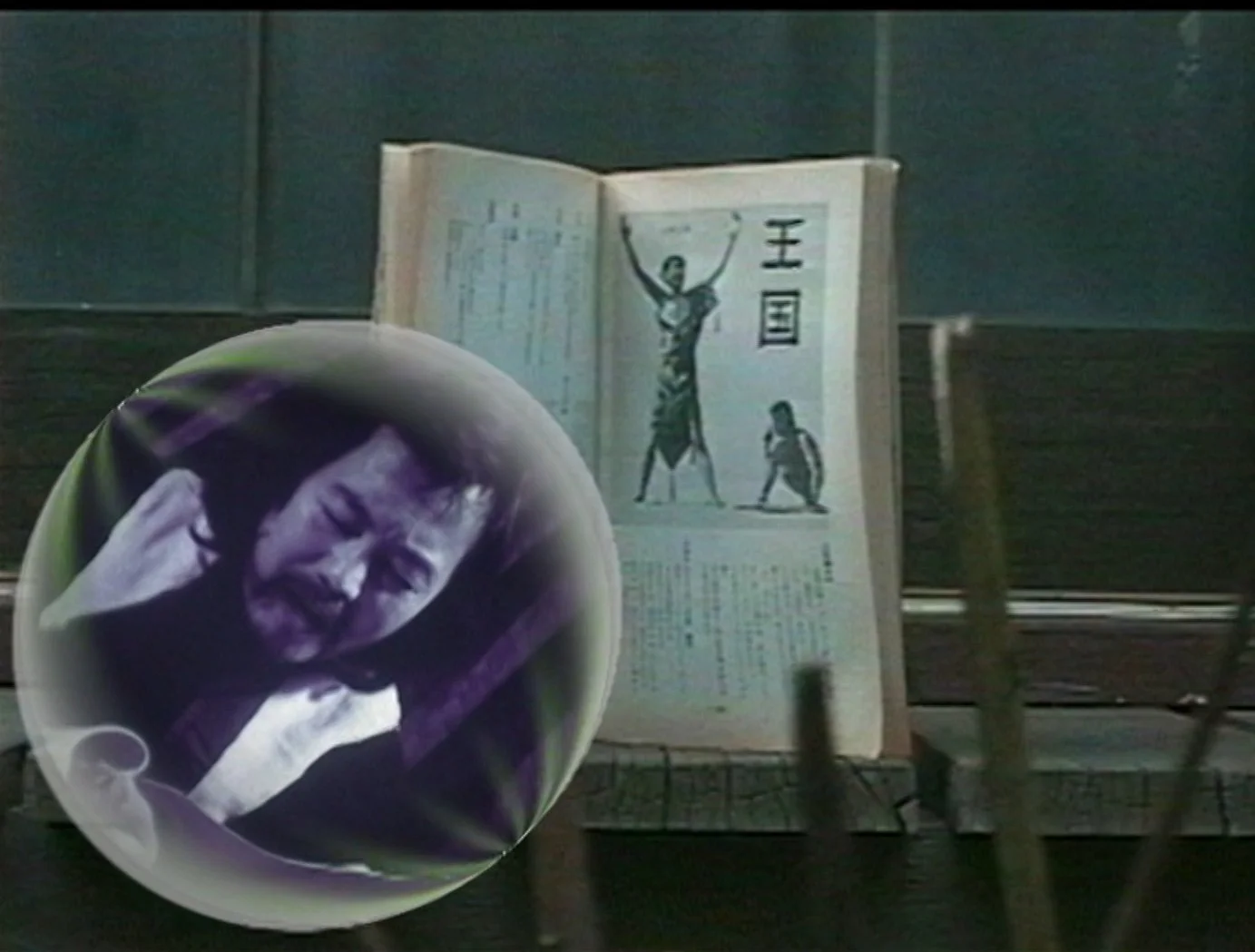
Katsu Kanai, Holy Theater, 1998, 29min, video, sound, color
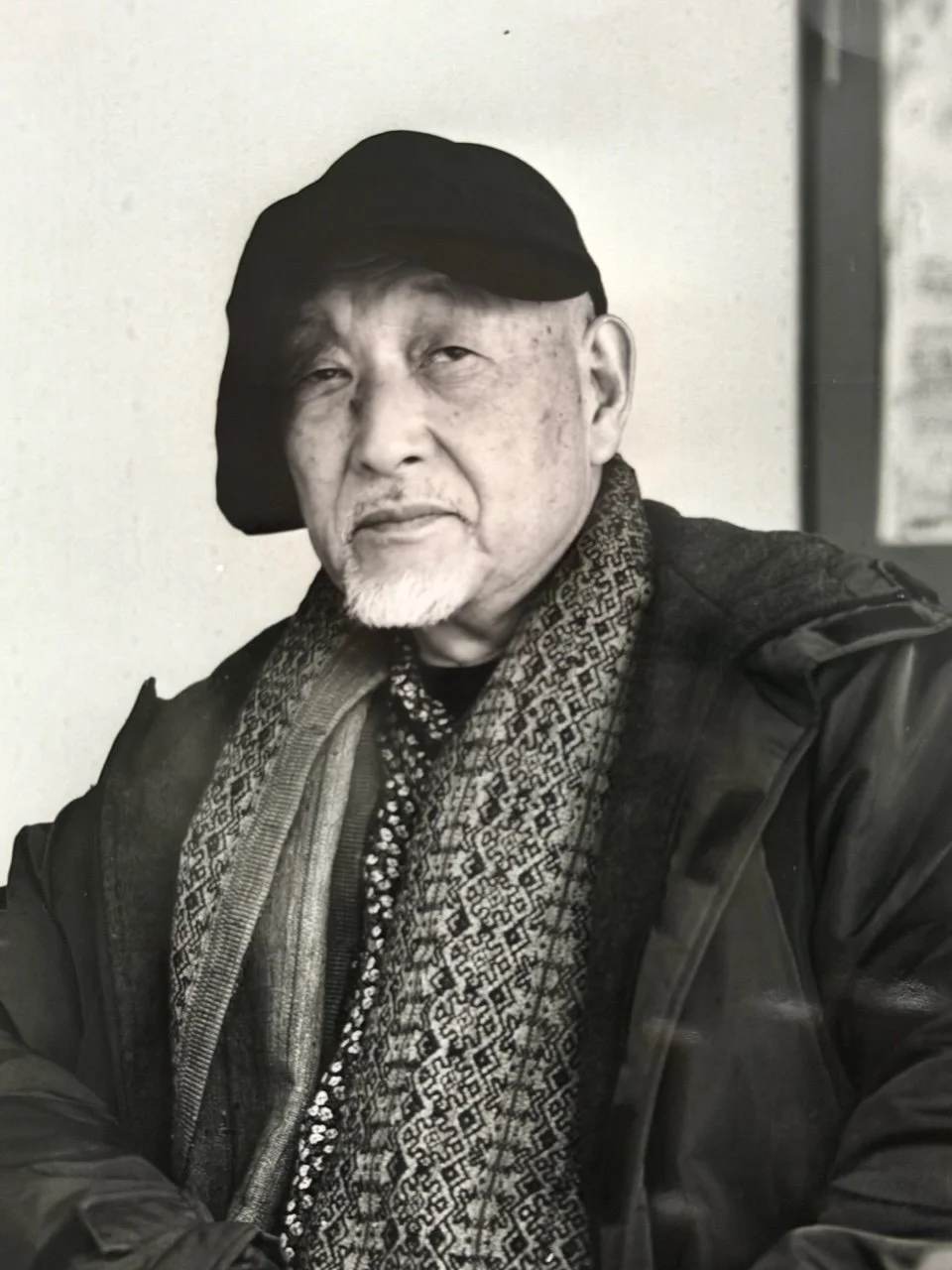
Over this July and August, we are delighted to present the second part in our series focused on the late Katsu Kanai. This month’s work is Holy Theater, the earliest video work by Kanai.
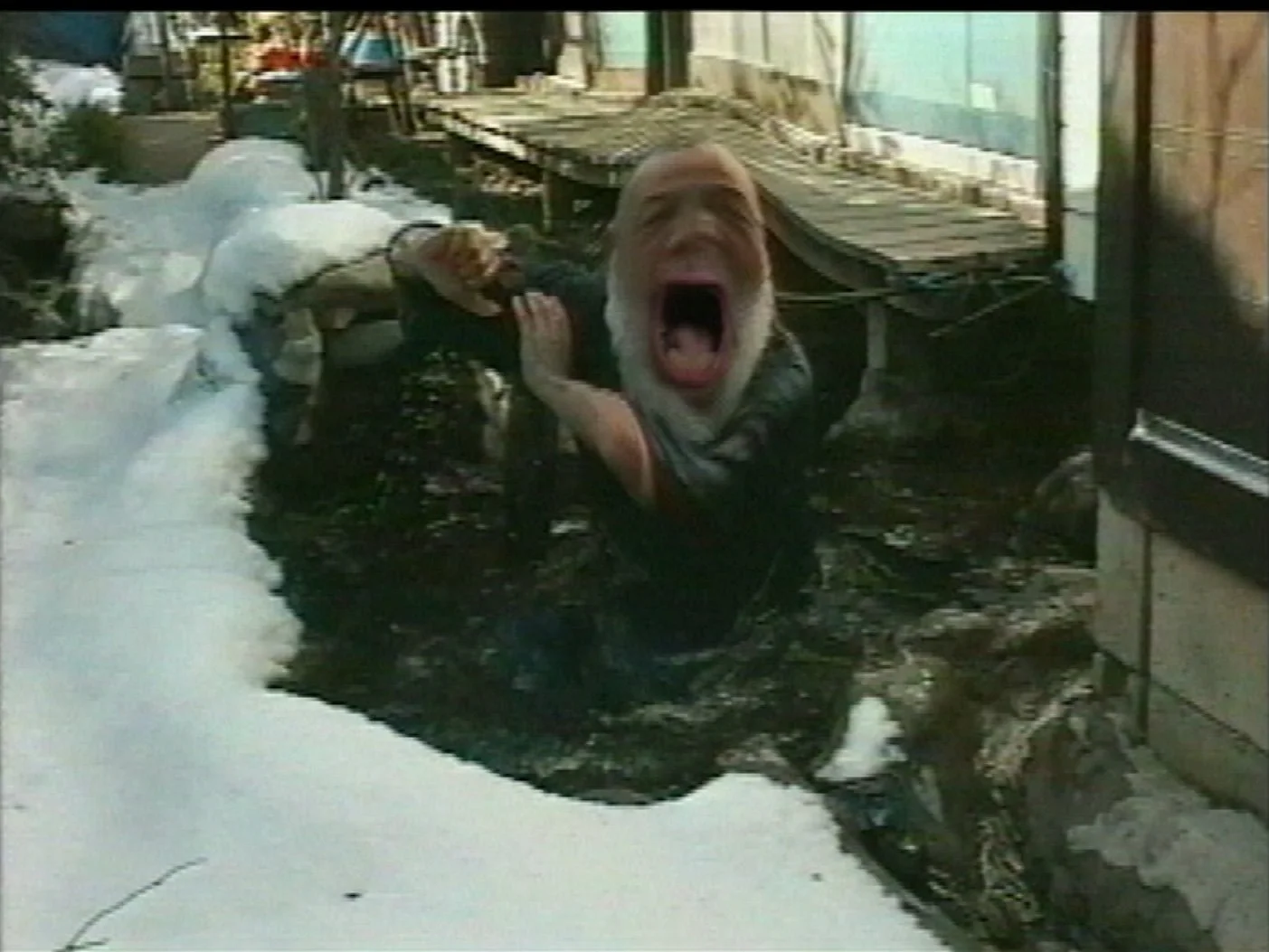
In his first video work, Katsu Kanai transforms the garden of his own home, through which a small stream quietly flows, into a stage for patient observation of life. Over an extended period, he records the countless forms of existence sustained within this small natural world. Fish glide through the water while frogs, birds, and insects gather along its banks; lizards and snakes make their occasional appearances. The film delights in the unexpected encounters among these creatures, in the beauty of plants as they grow and bear fruit with the changing seasons, and in the chance discoveries that nature offers—a strangely distorted moon reflected on the water’s surface, or fleeting images that seem to hover between reality and illusion.
Accompanied by the gentle sound of flowing water, the viewer comes to share in Kanai’s powers of observation and imagination, gradually entering a profound world of yūgen—a realm of subtle mystery and quiet profundity.
Yet the garden gradually transcends ordinary reality. It becomes a sacred theatre where the boundary between life and death begins to dissolve. Memory itself takes on the form of a soul, drifting through the garden. As the screenplay for Kanai’s The Kingdom stirs to life and enters this space, voices from the past begin to resonate. Guided by the voice of Kanai’s close friend, the filmmaker Motoharu Jonouchi, the images of Toku Osaka, the film critic Jushin Sato, and the filmmaker and screenwriter Atsushi Yamatoya slowly emerge. All four were gifted companions whose lives were cut tragically short. For Kanai, they are companions whose presence he longs to preserve in this world for as long as possible.
In his notes on the film, Kanai recalls the familiar saying that “a person dies twice”: the first death is physical; the second comes when that person has been forgotten by everyone—and that is the true death. The film’s unforgettable final sequence is Kanai’s deeply moving act of resistance against this second death: a cry of grief, remembrance, and unwavering devotion to those whose presence he refuses to surrender to oblivion.
And now, if Katsu Kanai himself is not to suffer that second death, we too must return to his films again and again. By watching, remembering, and rediscovering them, we ensure that his presence endures.
Akihiro Suzuki
THE PROGRAM WILL BE AVAILABLE FOR VIEWING ON CCJ’S VIEWING PLATFORM.
Become a member for just $5 a month to access our monthly programs, and share your thoughts on our screenings with us via Twitter, Instagram or Letterboxd.