CCJ x Queer East
Mari Terashima: Exquisite Tastes
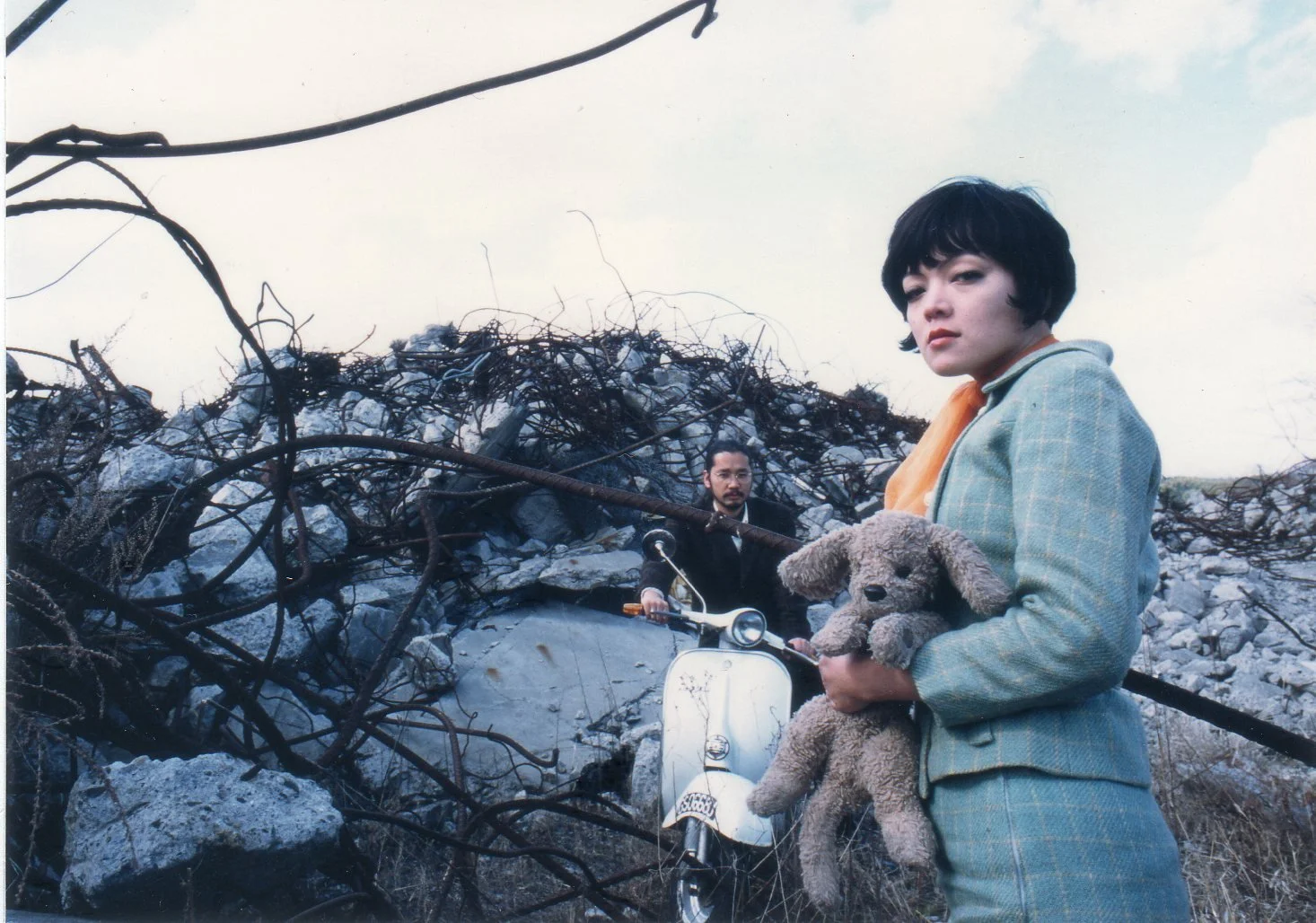
On May 6 at 18:15 at the Barbican, in collaboration with London’s Queer East Festival, we are delighted to announce an in-person program of three works by Mari Terashima! The program includes the premier of a new English translation of Her Majesty the Queen’s Polyester Dog (1994) by Mia Parnall and Wakae Nakane.
Violent tendencies and good table manners intertwine in Terashima’s films, which often plays on the double meaning of 'taste' – both a marker of refinement and class, and a violent expression of the desire to consume.
From a bloodthirsty toy dog with a penchant for fine dining to a troupe of self-mutilating, tea-party-hosting aristocrats, the films in this collection, made between 1986-2009, combine eccentric characters with imagery at once abject and delicious.
A key cinematic voice from Japan’s subcultural underground, Terashima explores our postmodern appetites and the fine lines between propriety and the vulgar.
Program
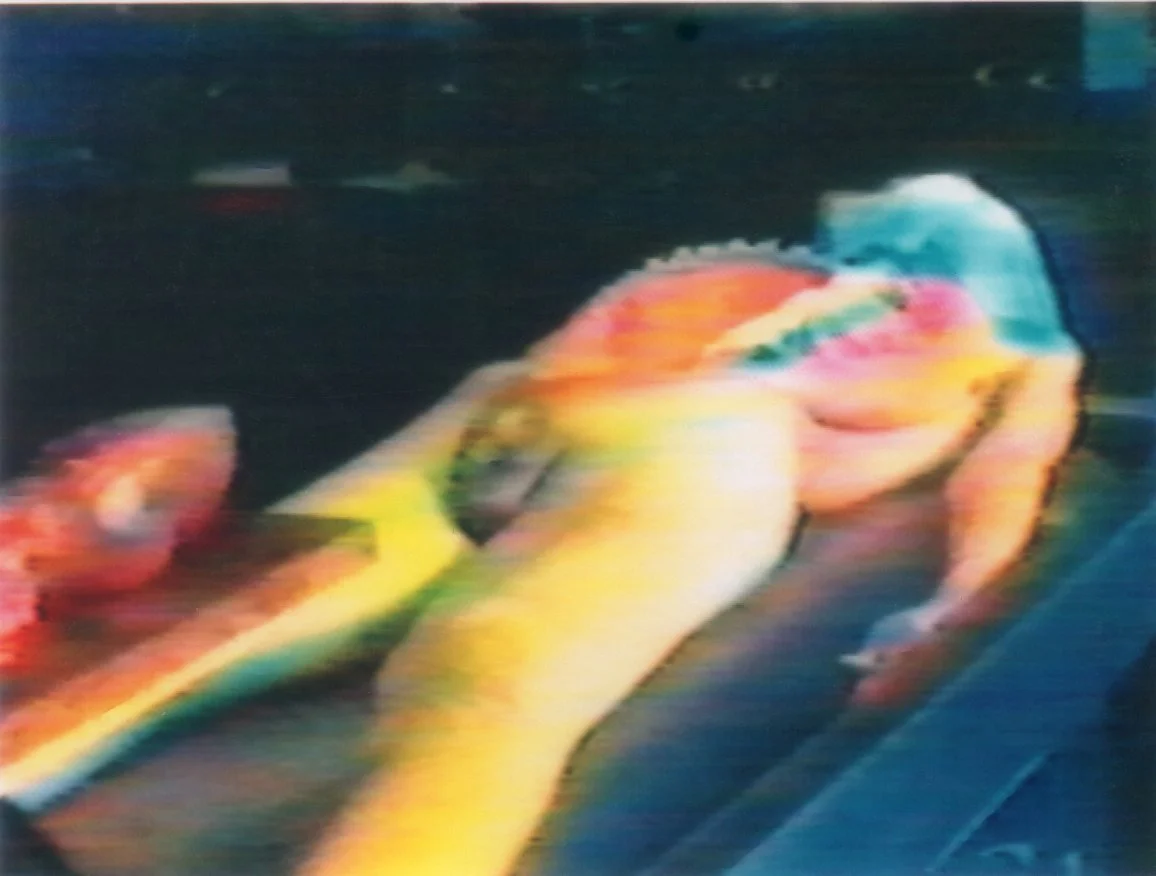
Mari Terashima, Je t’aime, 1986, 8 mins
The aesthetics of cheap romance take on a morbid character in this ero-guro video work. Electromagnetic visuals are intercut with images of partially-dissected corpses, accompanied by Psychic TV’s cover of Serge Gainsbourg and Jane Birkin’s 'Je T’aime… Moi Non Plus.'
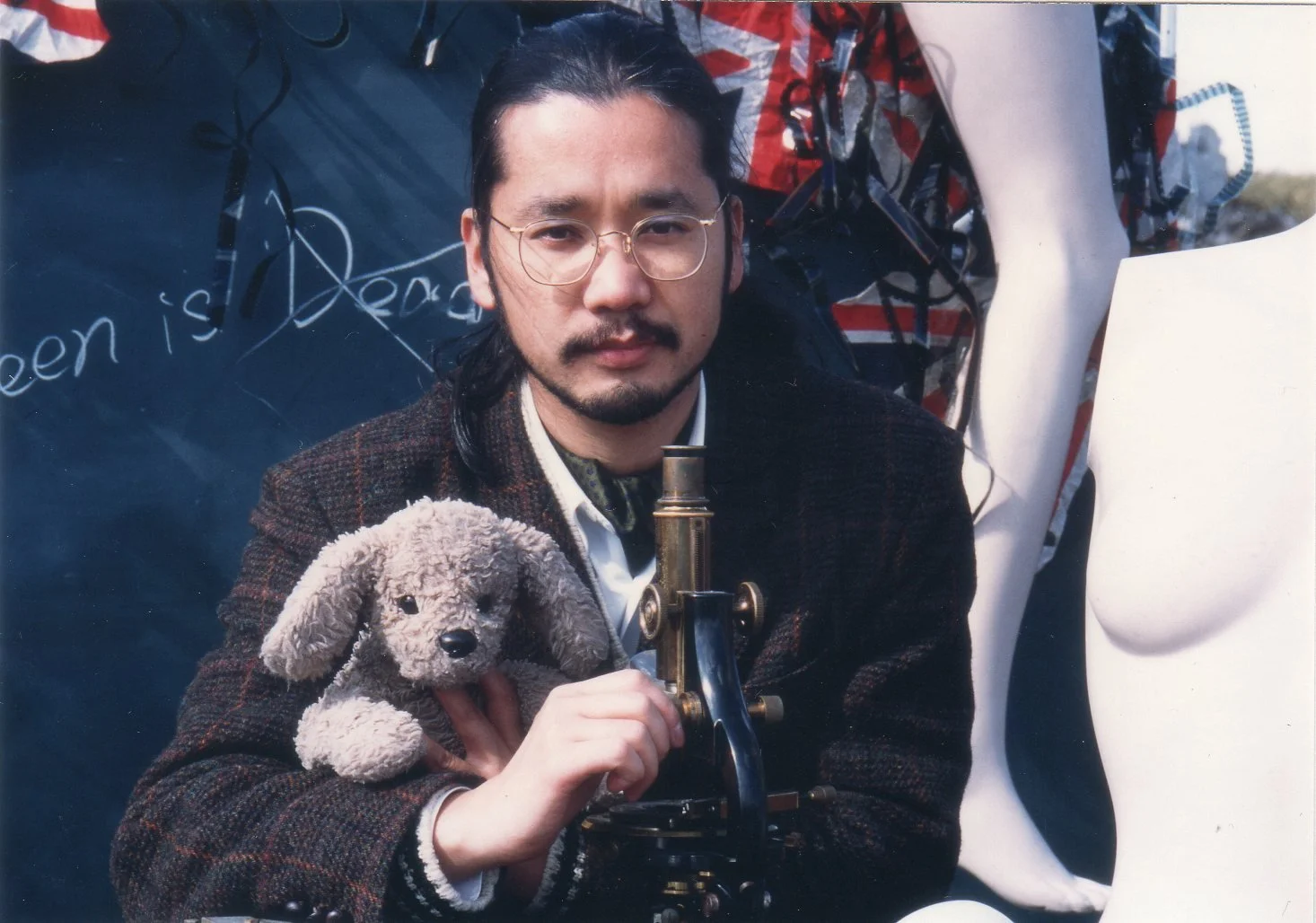
Mari Terashima, Her Majesty the Queen’s Polyester Dog (女王陛下のポリエステル犬), 1994, 37 min
A young teacher rescues a lost toy dog, formerly owned by the Queen of England. The animal comes to have an increasingly powerful influence on the man’s life, infecting him with its tastes for fine dining, British mod culture, and bloody violence. A collage of iconography combining puppetry, mixed-media storytelling, and philosophical monologuing.
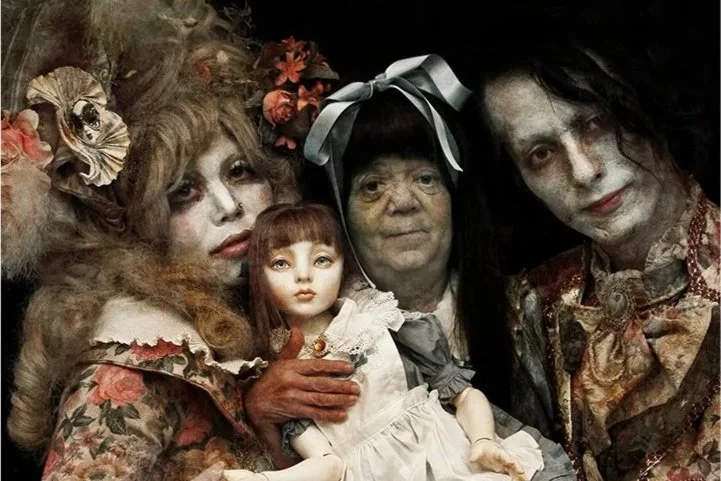
Mari Terashima, Alice in the Underworld: The Dark Märchen Show!! (アリスが落ちた穴の中~Dark Märchen Show!!), 2009, 60 mins
Set in an ambiguous world of gothic fantasy, this adaptation of Alice in Wonderland stars the 'emo-butoh' performance troupe Rose de Reficul et Guiggles. Terashima teases out the psychological unsettlement of Lewis Carroll's original story, drawing on the aesthetics of early cinema and the history of underground performance in Japan.