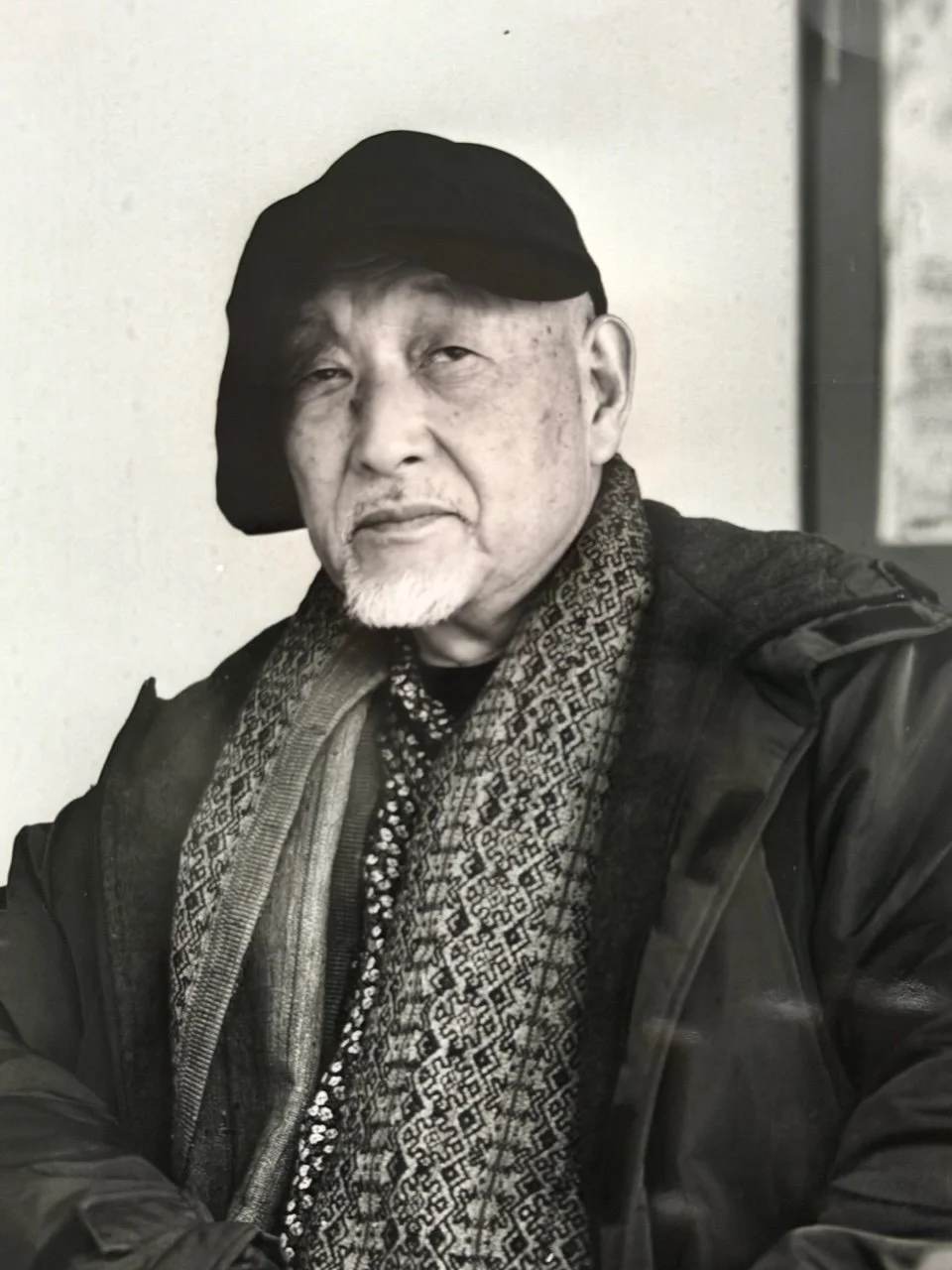
Katsu Kanai, Avant-Garde Senjutsu
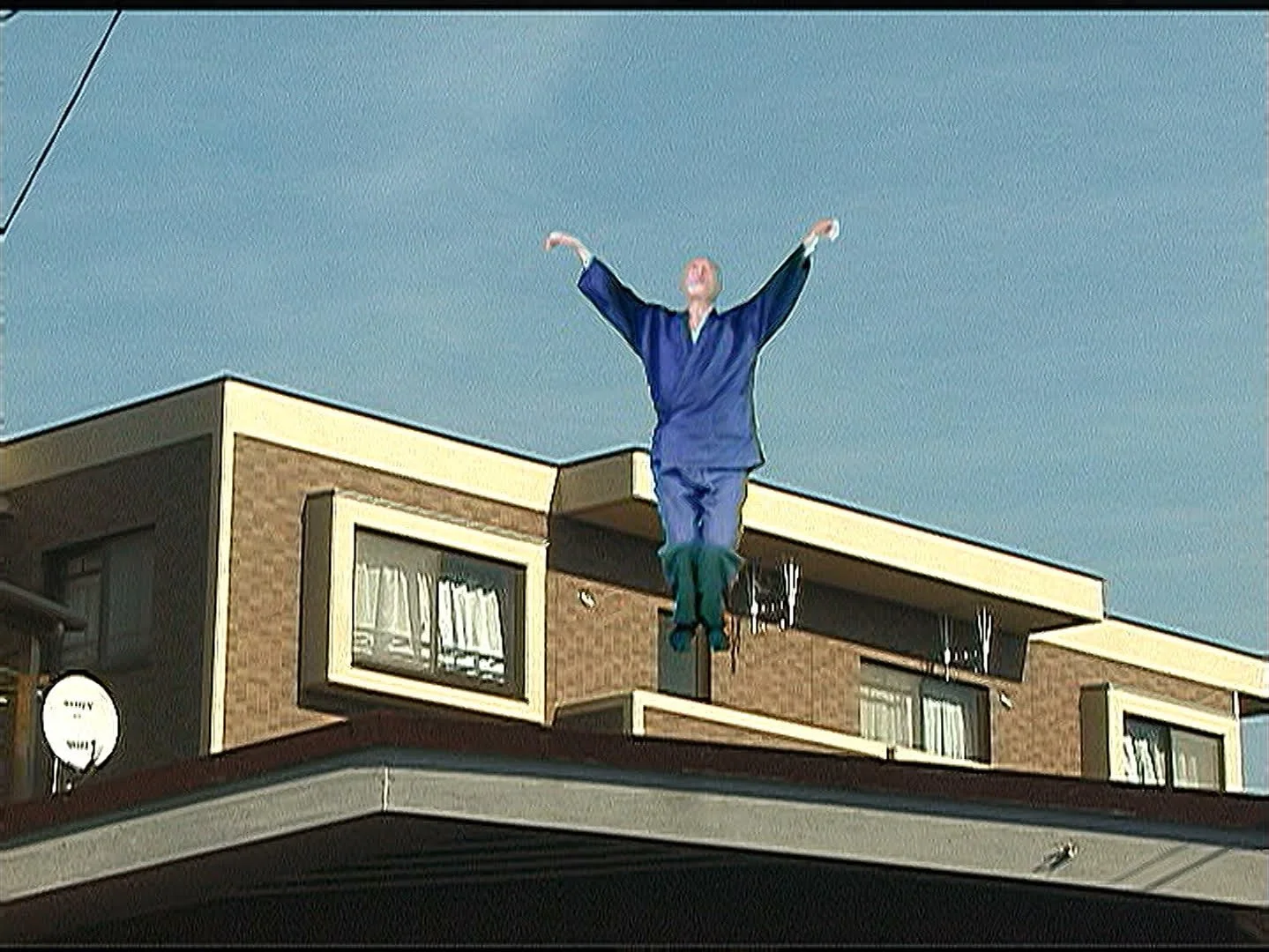
Katsu Kanai, Avant Garde Senjutsu, 2003, 30 min
Over this June and July, we are delighted to present a screening of The Avant-Garde Senjutsu (Zen’ei senjutsu) by the late Katsu Kanai. A “super documentary” that follows Kanai’s experimentation with computer technology, its premise is Kanai’s attempt to master “senjutsu,” an ancient art that aimed to achieve immortality. The result is “avant-garde senjutsu,” a playful video-manual of how Kanai retains his artistic vigour as his life progresses.
This month is the first program by our new curatorial team: Go Hirasawa (CCJ Editorial Board), Akihiro Suzuki (S.I.G. / Underground Cinema Festival), and Shuhei Hosoya (Postwar Art Documents Conservation Inc.)!
Beginning with a Kanai retrospective, the new curatorial team have some exciting projects to share, including new digitizations and more. Stay tuned!
THE PROGRAM WILL BE AVAILABLE FOR VIEWING ON CCJ’S VIEWING PLATFORM.
Become a member for just $5 a month to access our monthly programs, and share your thoughts on our screenings with us via Twitter, Instagram or Letterboxd.
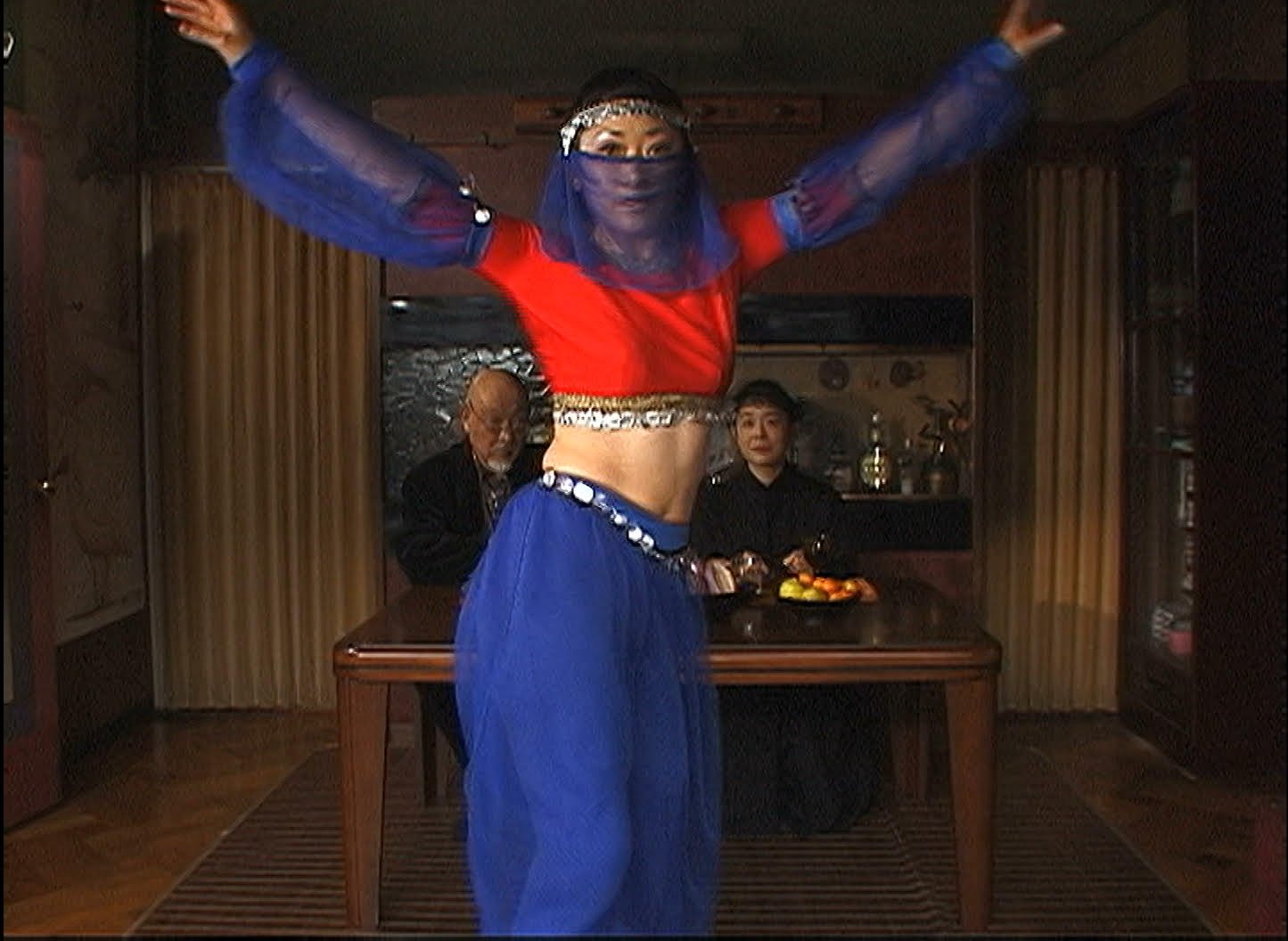
Introduction
With the “Smiling Milky Way Trilogy” — The Deserted Archipelago (1969), Good-bye (1971), and The Kingdom (1973) — Katsu Kanai created a unique form of surrealist cinema following young wanderers who leave ordinary life behind and drift through worlds that transcend national borders and time itself. These existential journeys, expressed through a dazzling succession of images and achieved on a scale rarely seen in independent cinema, made a powerful impact on audiences and critics, both in Japan and internationally, earning Kanai a reputation as one of the leading figures of Japanese underground cinema.
After completing The Stormy Times (1991), an omnibus work shot on 16mm film, Kanai turned to video production with Holy Theater (1998). Using the garden behind his own house as a stage, he embarked on a new body of work, creating surreal worlds that extended beyond the bounds of everyday reality.
In his final film, Super Documentary: The Avant-Garde Senjutsu (2003), the small miracles brought about by what Kanai called “Avant-Garde Senjutsu,” cultivated through years of rigorous training, are recorded as a “documentary.” Guided by surreal imagery and a wryly understated narration, viewers encounter special moments arising from the very act of living. Kanai’s garden becomes a treasury of surrealism—a place that transcends reality and opens onto realms beyond the universe, beyond time, and beyond life and death. Emerging from this space, the film may be seen as the culmination of a minimalist surrealist cinema, reaching a state reminiscent of enlightenment. The ending, in which the filmmaker himself quite literally takes flight, comes as a surprise, yet is exhilarating and deeply moving.
The day of Katsu Kanai’s funeral, following his passing this April, was marked by rain. Yet as the smoke from his cremation rose into the sky, the rain ceased, sunlight broke through the clouds, and a double rainbow appeared overhead. Surely this, too, must have been a miracle brought about by his “Avant-Garde Senjutsu.”
By Akihiro Suzuki