September/October Members' Viewing: The Deserted Archipelago
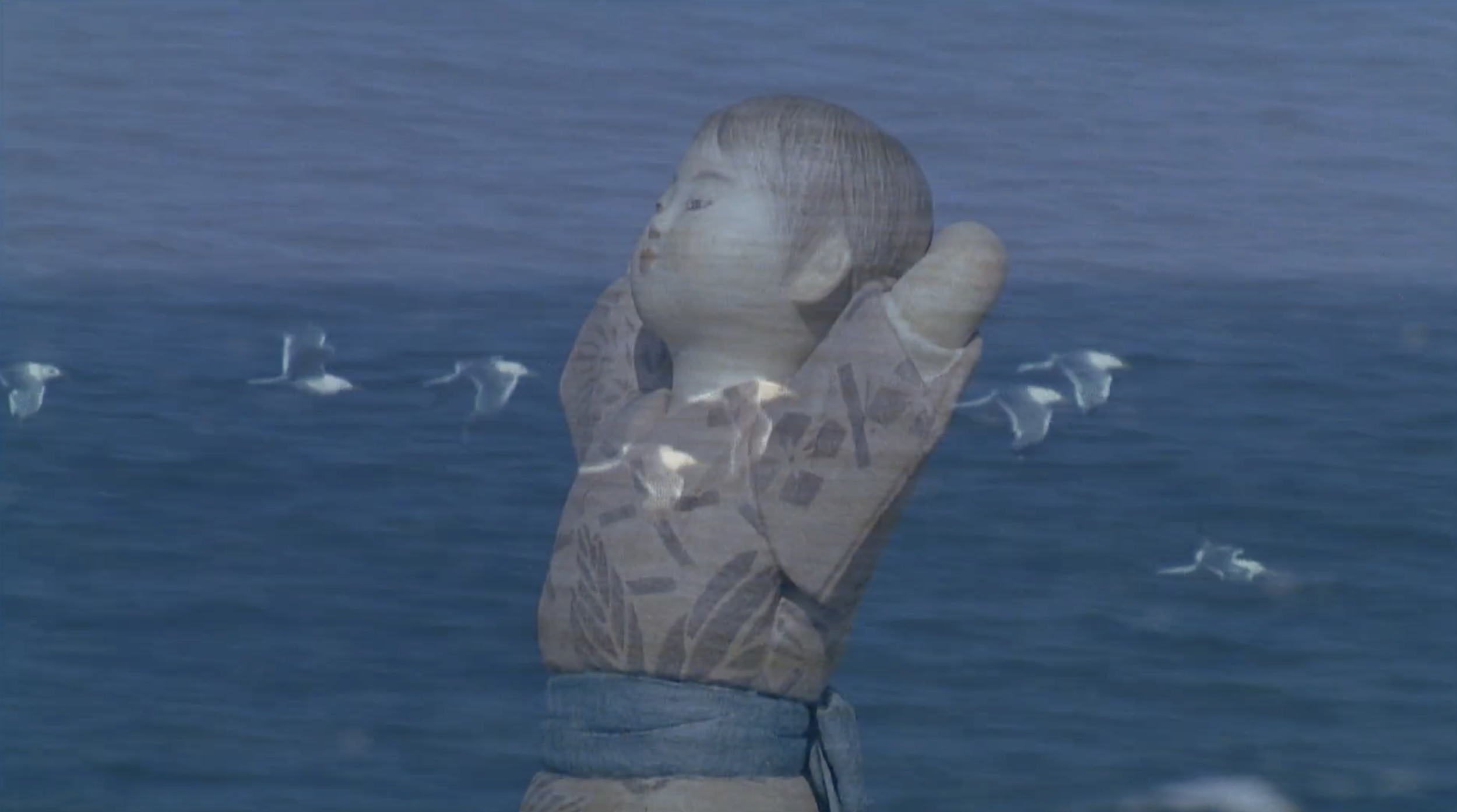
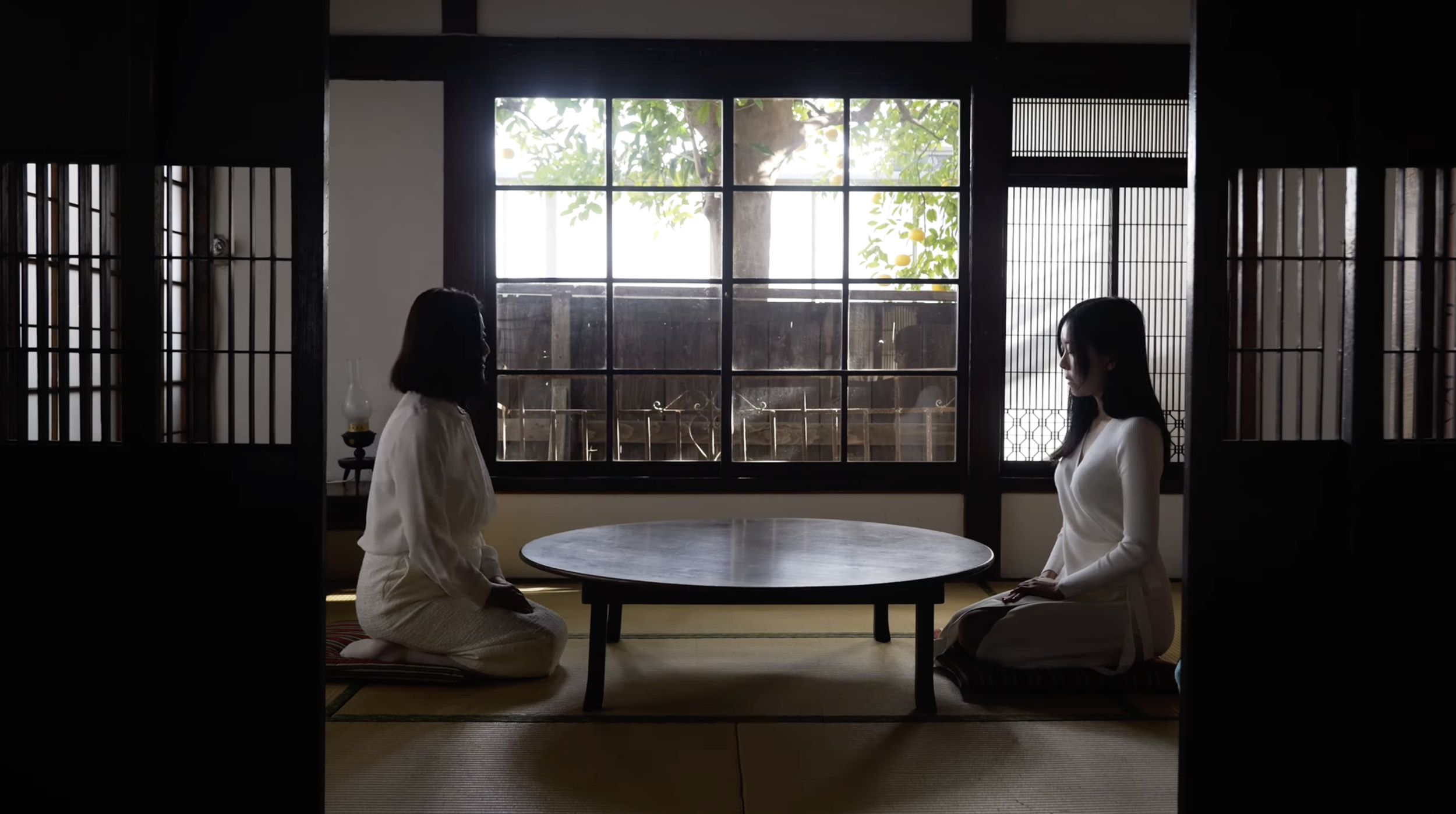
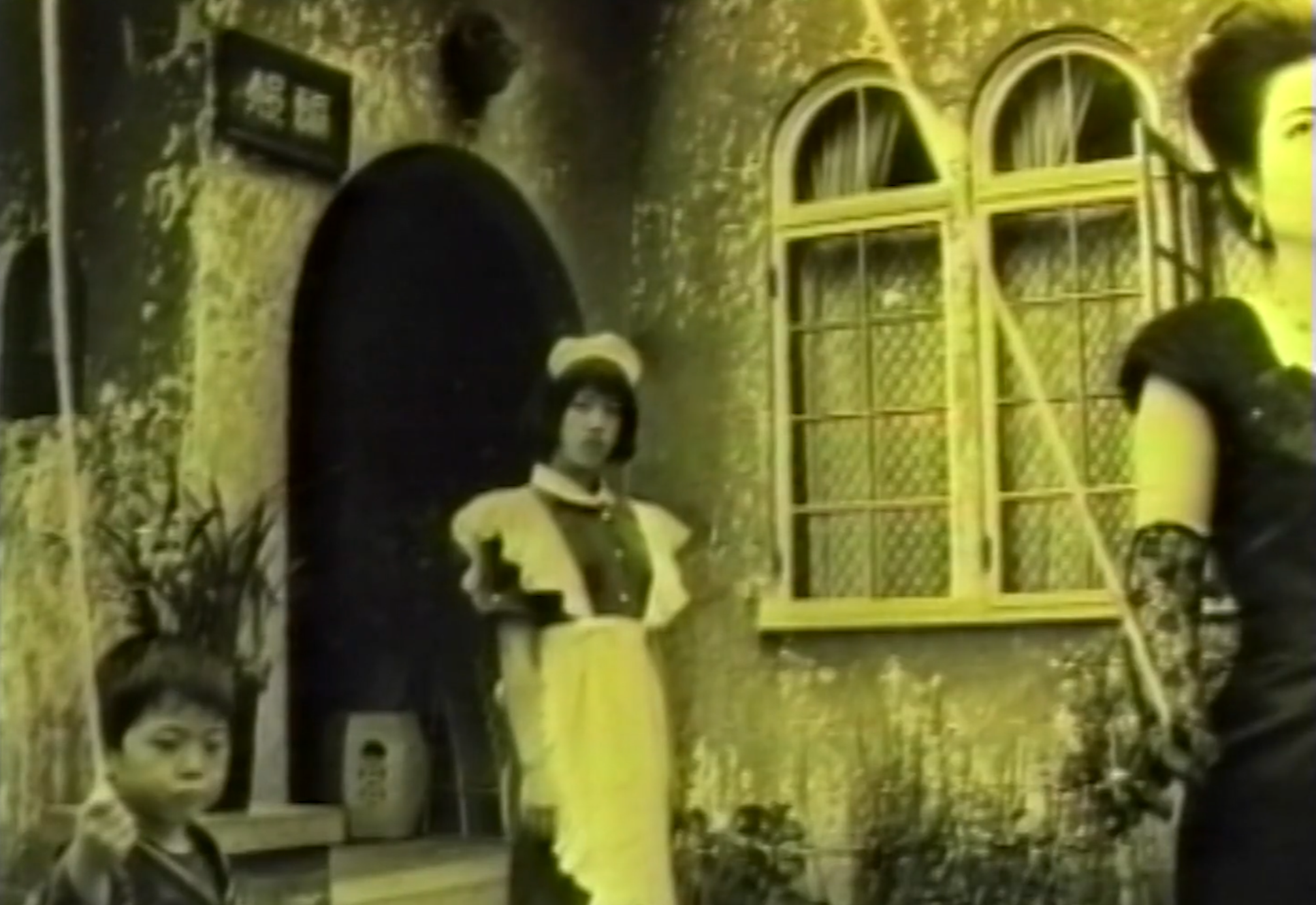
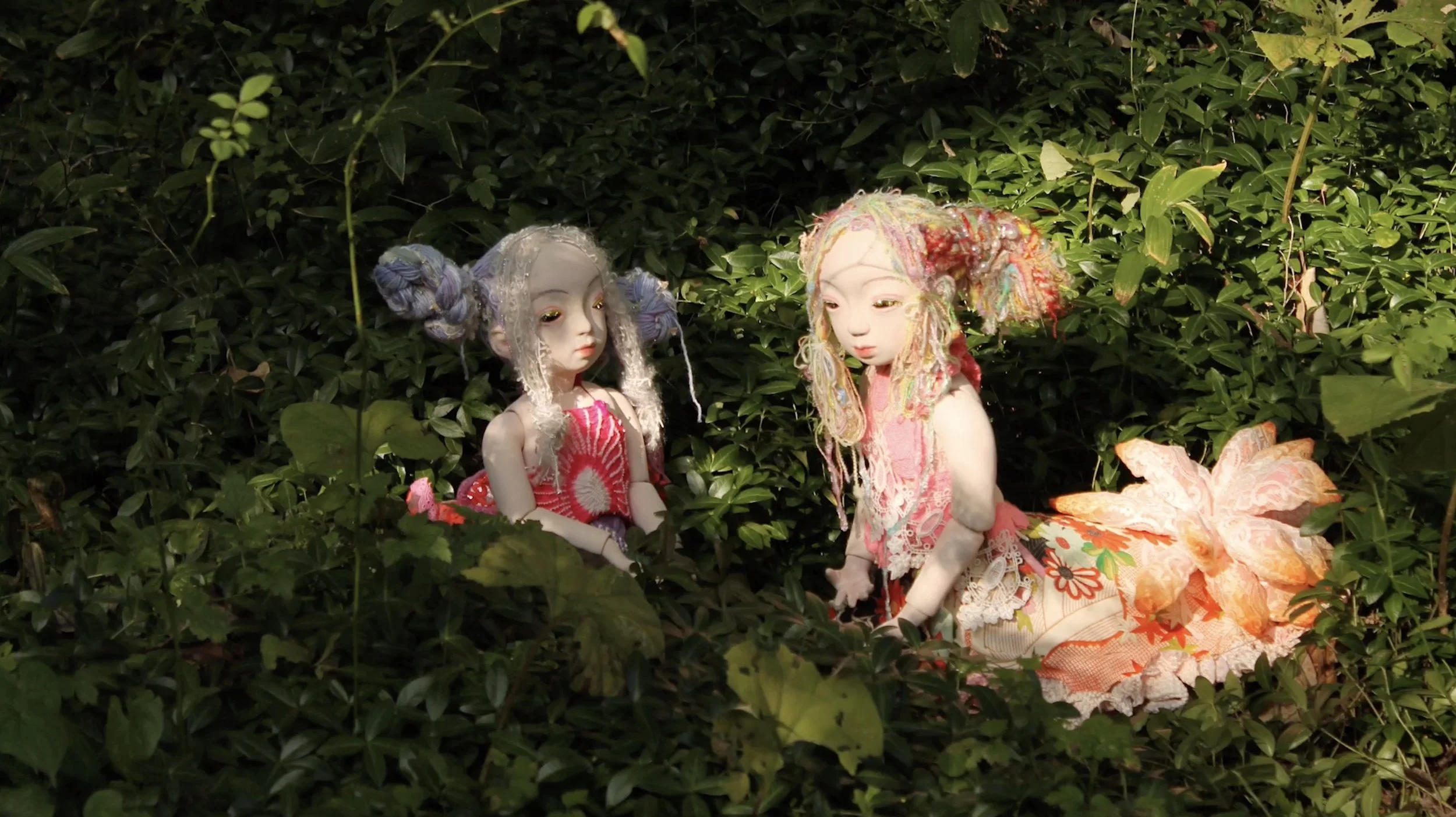
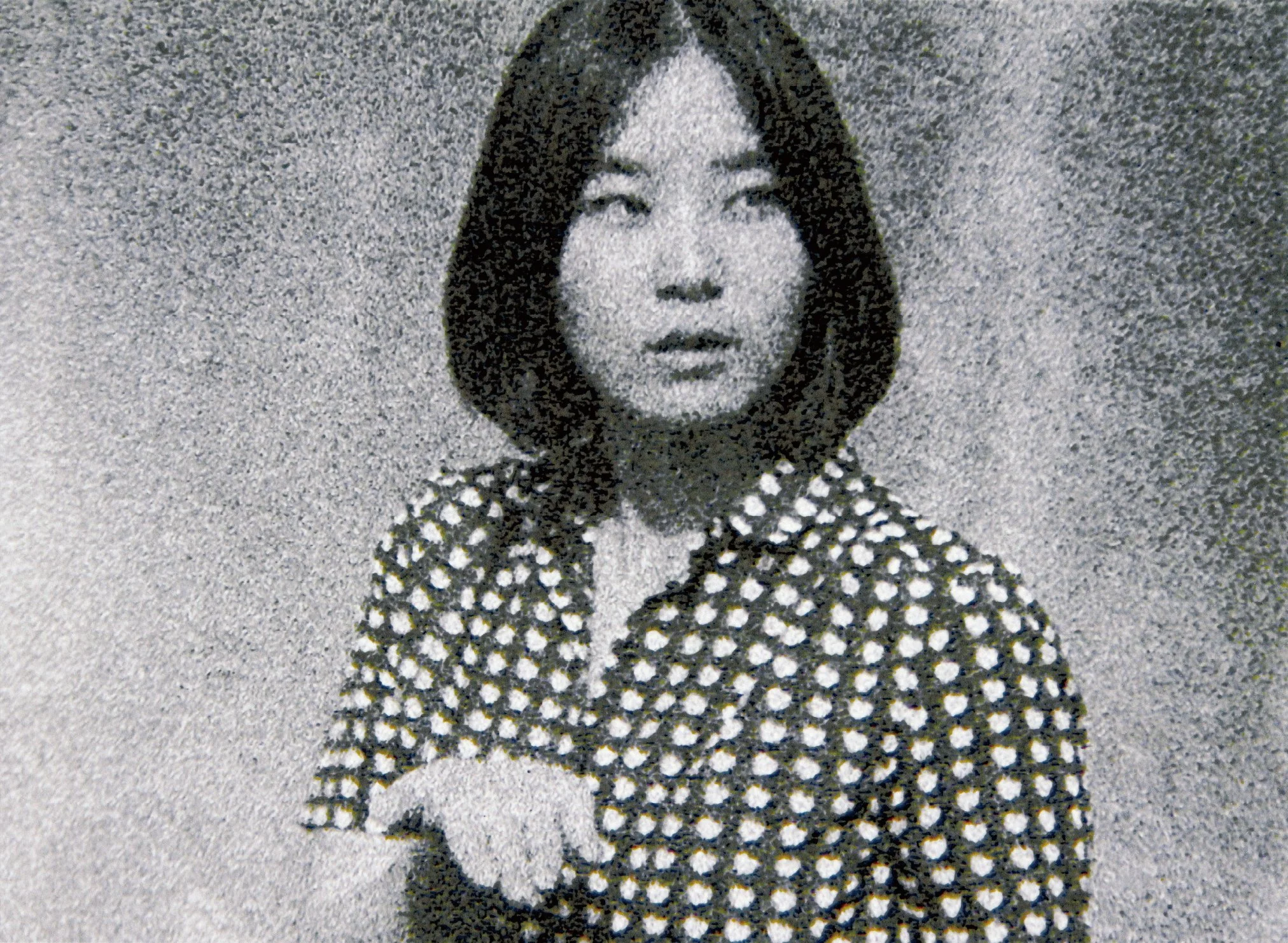
This September/October, we are delighted to present the seminal Deserted Archipelago (1969), an iconoclastic masterpiece revolving around a captive’s escape from an isolated nunnery.
Use the form on the right to contact us.
You can edit the text in this area, and change where the contact form on the right submits to, by entering edit mode using the modes on the bottom right.
123 Street Avenue, City Town, 99999
(123) 555-6789
email@address.com
You can set your address, phone number, email and site description in the settings tab.
Link to read me page with more information.
This September/October, we are delighted to present the seminal Deserted Archipelago (1969), an iconoclastic masterpiece revolving around a captive’s escape from an isolated nunnery.
Screening in Partnership with Lightbox Film Center
Sep 30, 2026, 7:00 PM – 9:00 PM
Bok Auditorium, 800 Mifflin St, Philadelphia, PA 19148, USA
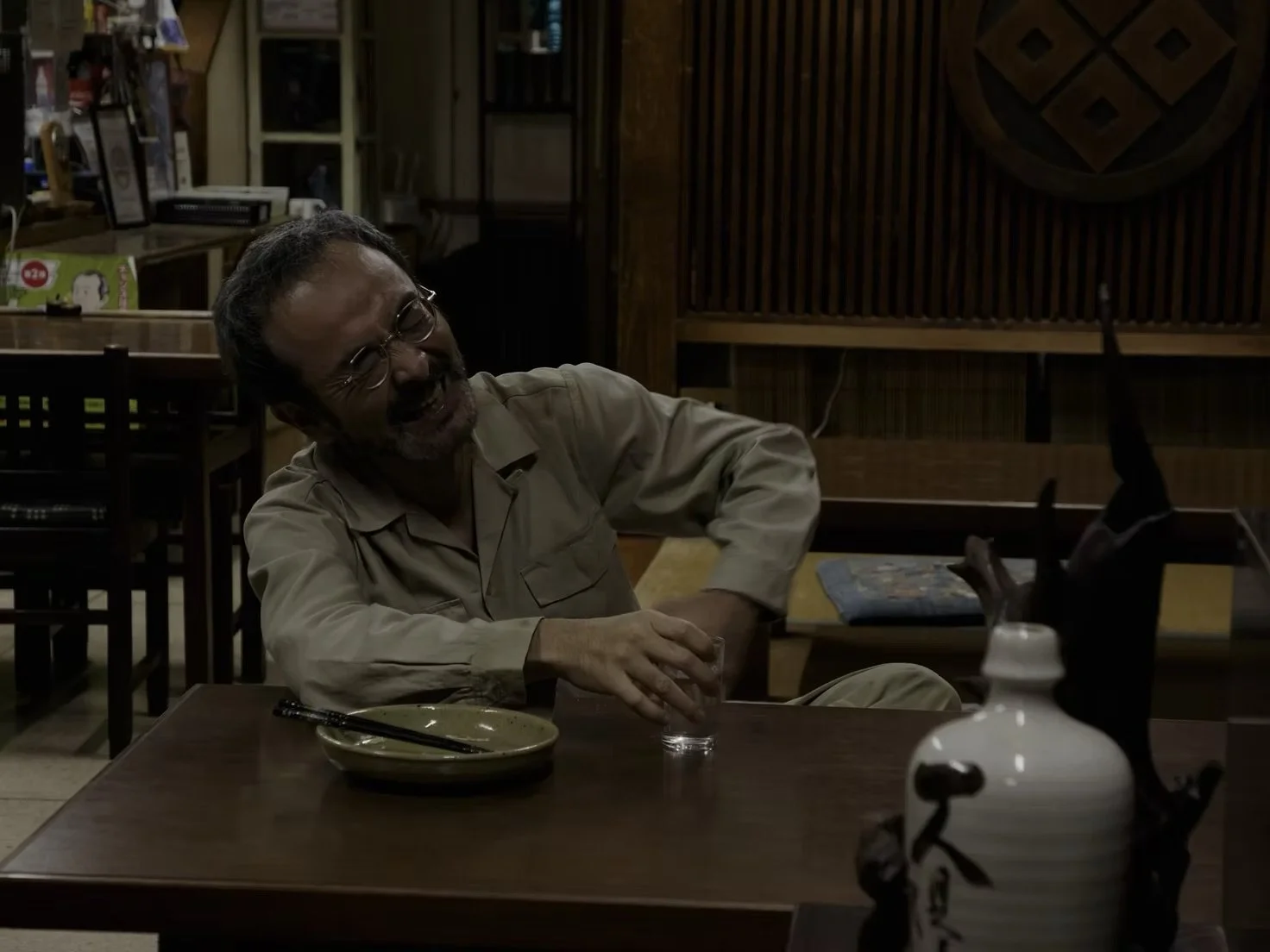
In 1970s Japan, at the height of social unrest, Satoshi Kirishima was a member of the “Scorpion Cell” of the East Asian Anti-Japanese Armed Front, a new left-wing extremist group. Considered a wanted criminal, the young Kirishima went on the run, under constant fear of being caught. He became a day laborer to make ends meet, and several decades ago, he began a live-in job at a construction company in Fujisawa City, Kanagawa Prefecture, under the alias Hiroshi Uchida. While he found moments of respite through hobbies, he remained haunted by the presence of his former friends—those who struggled in prison, those who fled the country, and those who took their own lives. In 2024, at the age of 70, Kirishima found himself hovering between life and death in a hospital bed with a terminal cancer diagnosis. As his consciousness fades, memories of his time on the run with his comrades in the East Asian Anti-Japanese Armed Front come to the surface. What did he spend his life chasing and what did he hope to gain at the end of nearly fifty years of fugitivity? What was he trying to express on his death bed as he confessed, “I am Satoshi Kirishima!” Juxtaposing his own experiences, director Masao Adachi depicts Kirishima’s anguish and determination in Escape. (Masao Adachi, Japan, 2025, 114 min.) In Japanese with English subtitles
Organized by Go Hirasawa
Screening in Partnership with Lightbox Film Center
Sep 27, 2026, 6:00 PM – 8:00 PM
Bok Auditorium, 800 Mifflin St, Philadelphia, PA 19148, USA
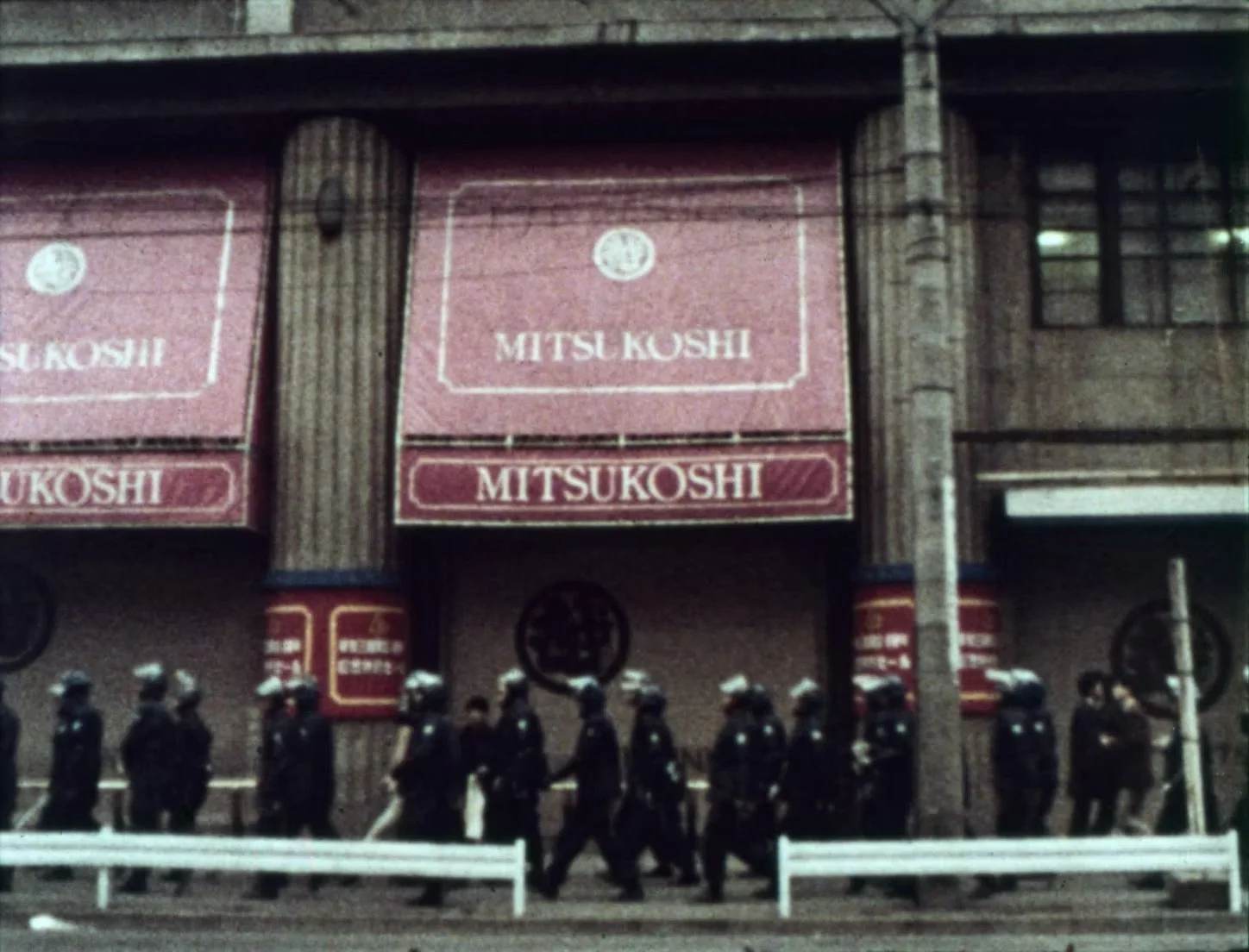
Between 11 October and 5 November 1968, teenager Nagayama Norio murdered four people in a killing spree across Japan with a shotgun stolen from a U.S. Army base. Adachi Masao, together with cultural theorist Matsuda Masao, scriptwriter Sasaki Mamoru and other collaborators, set out to trace the young man’s footsteps with a camera in hand. The result is an experimental documentary comprised purely of landscape shots, each of which shows scenery that Nagayama may or may not have seen during his upbringing and journey. Seeking an alternative to the sensationalism found in the media’s depiction of serial killers (which continues to this day), Adachi’s sparse voice-over provides only the hard facts while the increasing number of billboards in the landscapes slowly reveal the hegemony of capitalism in contemporary Japan. Launching the influential ‘landscape theory’ in Japanese film theory and practice, AKA Serial Killer is a landmark in political filmmaking. — Internatioal Film Festival Rotterdam (Masao Adachi, Japan, 1969, 86 min.) In Japanese with English subtitles
Organized by Go Hirasawa
Over this August and September, we are delighted to present the third part in our series focused on the late Katsu Kanai. This month’s work is The Stormy Times (1991), a “collection of visual poems” modeled on the forms of traditional Japanese poetry.
This July, we are delighted to present the second episode in our focus on the late Katsu Kanai. In his first video work, Kanai transforms the garden of his own home, through which a small stream quietly flows, into a stage for patient observation of life.
This June, we are delighted to present a screening of The Avant-Garde Senjutsu (Zen’ei senjutsu) by the late Katsu Kanai. A “super documentary” that follows Kanai’s experimentation with computer technology, its premise is Kanai’s attempt to master “senjutsu,” an ancient art that aimed to achieve immortality.
On May 6 at 18:15 at the Barbican, in collaboration with London’s Queer East Festival, we are delighted to announce an in-person program of three works by Mari Terashima! The program includes the premier of a new English translation of Her Majesty the Queen’s Polyester Dog (1994) by Mia Parnall and Wakae Nakane.
This May, we are delighted to present a screening of three works by legend of experimental cinema Kohei Ando — the classic My Collections (1988) along with two cine-poems after Shuji Terayama, The Summer I Was Four and Astronomy of Love.
This April, we are thrilled to present (S)mothering Myself: Feelings in Renting a Mother (2024), a two-channel video work by Maari Sugawara.
This March, we are delighted to be screening a newly translated work by Mari Terashima — Fortress of Dreams (Yume no toride, 1991).
This February, we are thrilled to present two newer works from legendary animator Yuko Asano!
This January, we are delighted to present three works from Shun Ikezoe, a contemporary filmmaker based in Tokyo.
This December, we are delighted to present My father, burned (1994) a raw example of 1990s personal documentary from filmmaker and musician Haruka Doi, subtitled for the first time in English.